
Visual journey · Bilirubin
Why do newborns turn yellow?
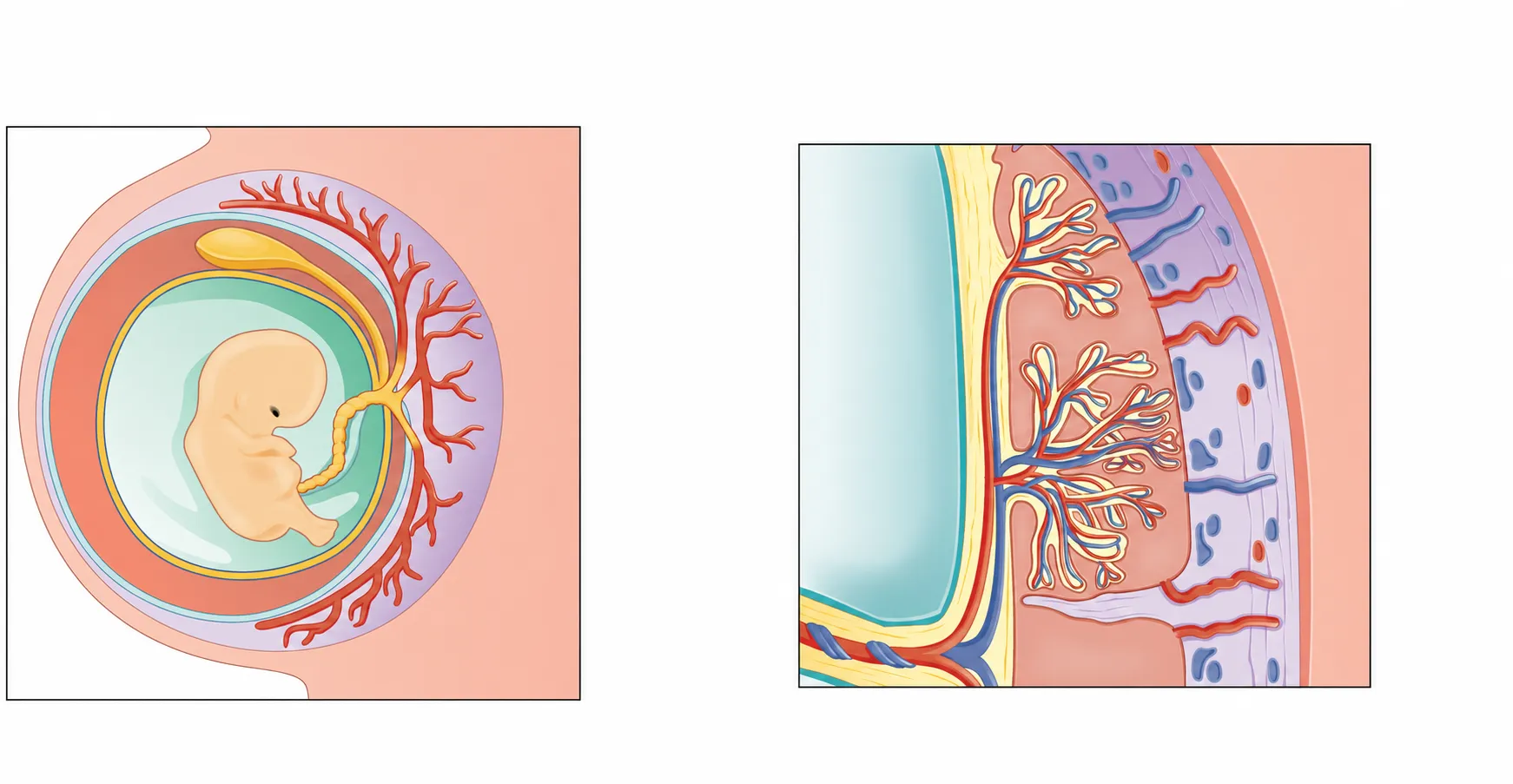
Before birth, a baby’s bilirubin passes through the placenta to the mother, whose body removes it. At birth, that route closes, and the baby’s liver takes over.
Let’s see where that pigment comes from.
Inside the bloodstream
As blood cells are replaced, a pigment forms.
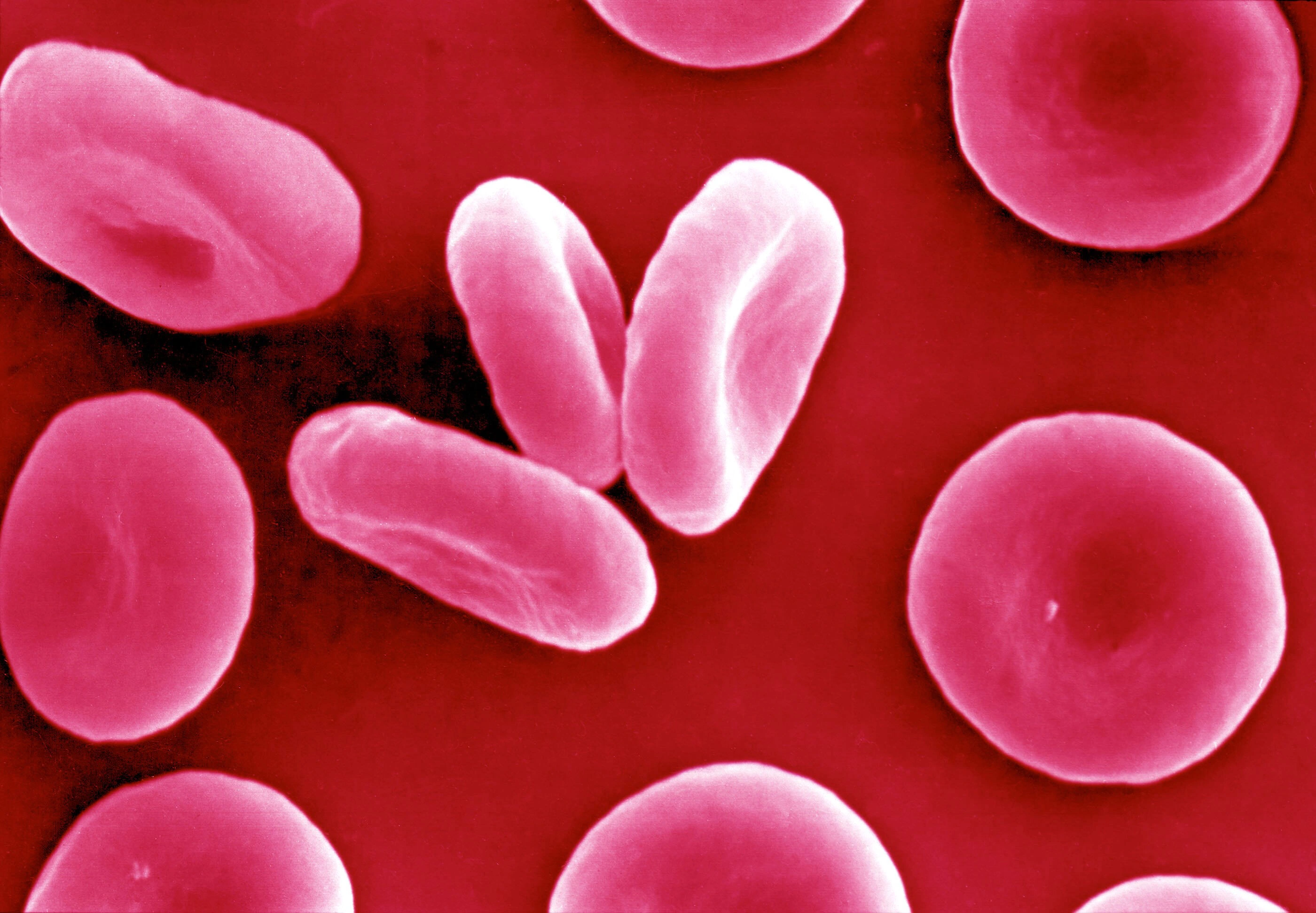
Red blood cells carry oxygen. The body continually replaces them, both before and after birth. As they age, the body recycles them. Part of their hemoglobin, the protein that carries oxygen, is turned into bilirubin, a yellow pigment.
After birth
The baby’s liver begins clearing the pigment.
The liver changes bilirubin so it can leave the liver in bile, a fluid that flows into the intestine. It then leaves the body in stool.
- Red blood cell turnover
- Bilirubin
- Liver
- Leaves the body in stool
In the first few days, the liver may not do this efficiently yet. If bilirubin builds up, the skin and the whites of the eyes can turn yellow. This is called jaundice.
Most cases are temporary. Measuring bilirubin helps identify when the level is too high. Color alone is not enough.
Before you go home
Leave with a test result and a follow-up plan.
Before discharge, make sure your baby’s bilirubin has been measured and ask when it needs to be checked again. Decisions depend on the result and your baby’s age.
If feeding is difficult, ask for help. Do not stop breastfeeding or give your baby water without medical guidance.
Some babies need phototherapy: special blue lights that help the body clear bilirubin. Sunlight is not a safe treatment.
Seek urgent care if a baby with jaundice is very hard to wake, is feeding poorly or has a seizure.
With follow-up care and help with feeding, you can support your baby through these first days.
I’m your friend, Dr. Carlo De la Sancha. Health and science for everyone.

Free guide
Your baby looks yellow.
A guide to come back to: what to watch for and what to ask at follow-up visits.
Request your free guide with your first name and email address.
Get the free guideYou’ll also receive our newsletter every two weeks. You can unsubscribe at any time.
The form opens in Kit. Confirm your email address to download the guide.
Medical and image sources
- openstax.org
- medlineplus.gov
- medlineplus.gov
- www.aap.org
- www.aap.org
- medlineplus.gov
- medlineplus.gov
- medlineplus.gov
- archive.cdc.gov
- David Gregory and Debbie Marshall · Wellcome Collection · CC BY 4.0
- OpenStax College · CC BY 3.0
Electron micrograph of red blood cells colorized by David Gregory and Debbie Marshall, Wellcome Collection, CC BY 4.0. Placenta from OpenStax College, CC BY 3.0. The placenta image preserves the source anatomy, with the original labels removed. The pregnancy panel is shown with a location marker. The pigment pathway is a step-by-step diagram, not an anatomical drawing.