
You asked
I keep getting yeast infections. What can I do?
This question came from the comments on this video:
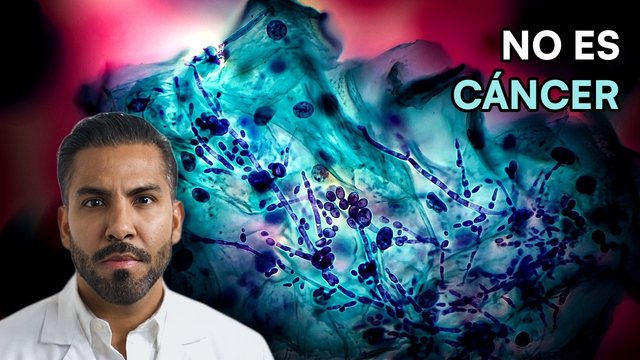 Herpes, trichomonas, yeast, vaginosis .. your Pap test detects more than cancer
Also came up on 1 more video

Frequent yeast infections are called recurrent, and it's worth finding what drives them. Those factors include poorly controlled diabetes, weak immunity and steroids. Such cases are treated as complicated, with a more intensive regimen. Ask your gynecologist whether yours fits there and what plan they suggest.
Why does yeast develop, and why does it come back months later even though my tests come back clean?
Candida is a yeast that lives in the vagina in small amounts. A culture finds it in up to 30% of women with no symptoms. Estrogen supports lactobacilli, which keep the vagina acidic and hold the yeast in check. When that balance shifts, the yeast already there grows back, even if your tests come back clean.
I have a white, clumpy discharge. Is it a yeast infection, and what treats it?
A white, clumpy discharge, like cottage cheese, is typical of a yeast infection. It can resemble other causes, like bacterial vaginosis or trichomoniasis, among others. If it's yeast, antifungals treat it, as a suppository, cream or pill. Your doctor puts the pieces together and decides which one fits.
What if the yeast won't clear with any treatment, or it's a type other than albicans?
Yeast that won't clear, or a non-albicans species like Candida glabrata, counts as complicated. Some species don't respond to azoles like fluconazole and need another drug. Ask your gynecologist if the species was identified. Also ask if another cause, like contact dermatitis, explains the symptoms.
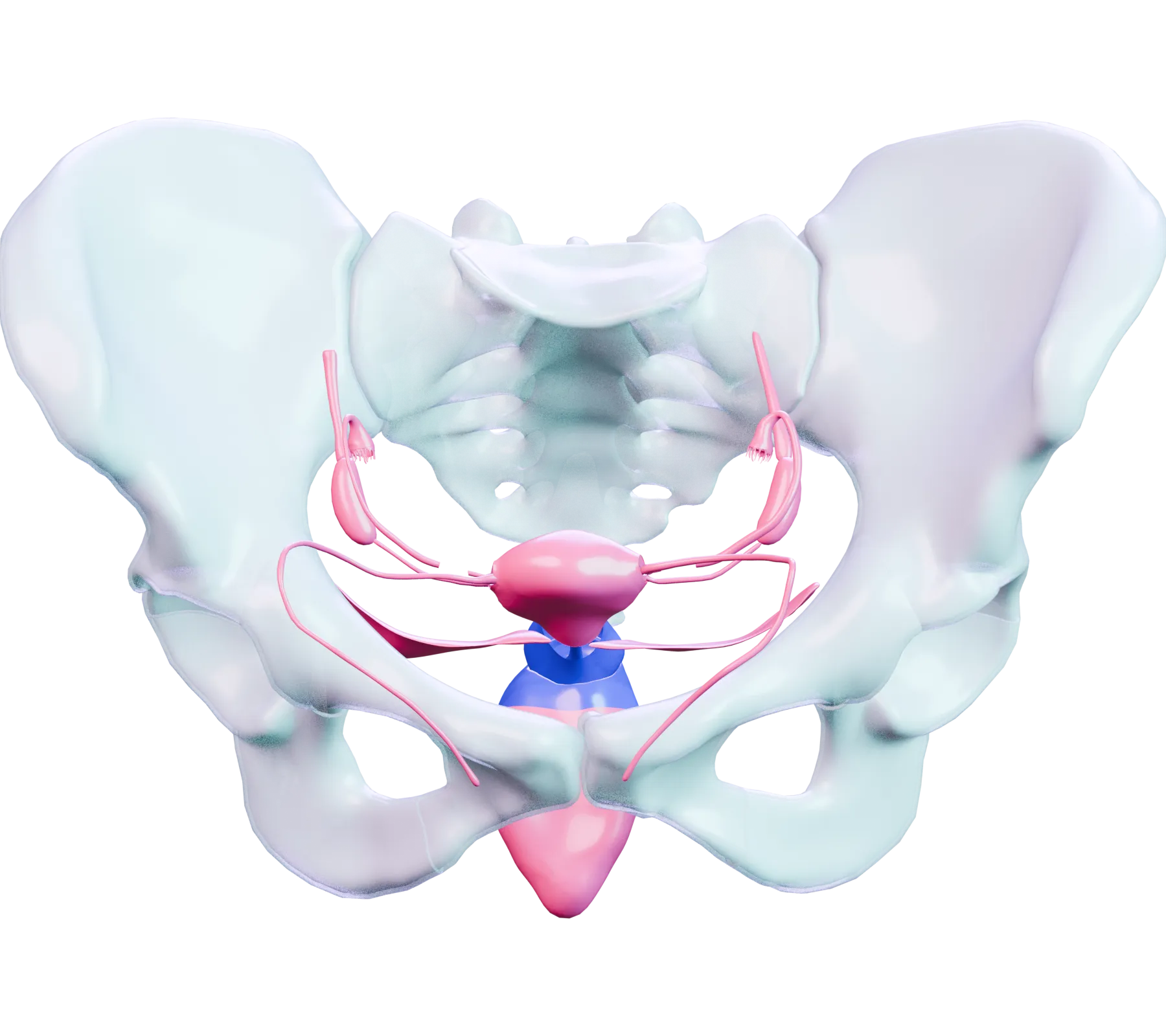
3D model: Human Reference Atlas, NIH 3D, Body, Female, CC BY 4.0. Our render of the pelvis and reproductive organs, with editorial color.
Where this comes from
- Sexually Transmitted Infections Treatment Guidelines, 2021.
- BASHH (British Association for Sexual Health and HIV)
- Clinical Practice Guideline for the Management of Candidiasis: 2016 Update by the Infectious Diseases Society of America.
- ACOG (Practice Bulletin 215, Vaginitis in Nonpregnant Patients, 2020)
- Vulvovaginal Candidosis
- Vulvovaginal candidiasis: Epidemiology, microbiology and risk factors.
- Vulvovaginal candidosis.
This is educational content, meant to help you understand your body. It is not a medical consultation or a diagnosis, and it does not tell any particular person what to do. If something worries you, see a doctor you trust.