
You asked
Do you only get HPV from intercourse?
This question came from the comments on this video:
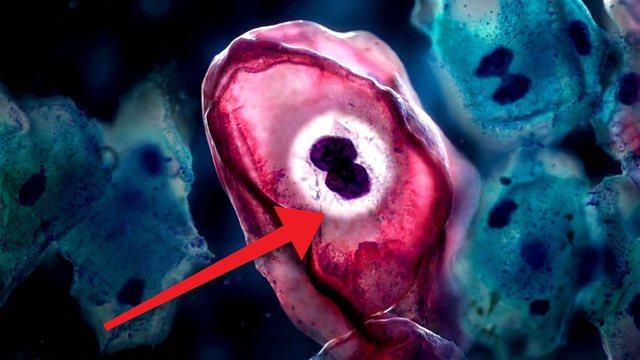 Human papillomavirus (HPV): we saw the virus almost everyone will get
Hearing Spanish on YouTube? Tap ⚙ › Audio track › English
Also came up on 1 more video
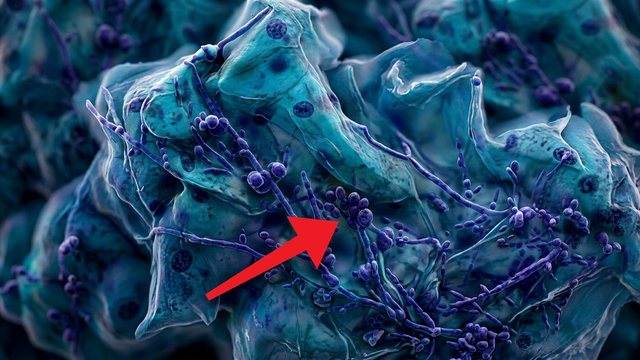
No, it doesn't take penetrative sex: close skin-to-skin contact in the genital area is enough. It also spreads through vaginal, anal or oral sex, and by sharing sex toys. Oral sex can carry it to the mouth and throat. Every one of these routes involves intimate contact.
If I haven't had sex in over 10 years, can I still have HPV?
Yes. HPV can stay in your body for many years without causing problems, even after a long time without sex. There's no blood test for it. In women, it's found through cervical screening. It rarely causes symptoms, so pain when you urinate isn't a typical sign. Tell your doctor how long it has hurt and when it hurts.
Once HPV clears, is it gone for good, or do you have it for life?
Almost never forever. Only your immune system can clear the virus, and in most cases it does so within one or two years. Clearing it doesn't mean you can't get it again: there are many HPV types, and the protection one leaves doesn't always cover the others, sometimes not even that same one.
If my partner still has the virus, can they give it back to me after I'm treated?
It can happen. HPV that persists after treatment is linked to a higher risk of the lesion returning. It's common for a couple to already share the virus, and no one is to blame. Condoms help your body clear it faster. What protects you most is keeping your follow-up visits.
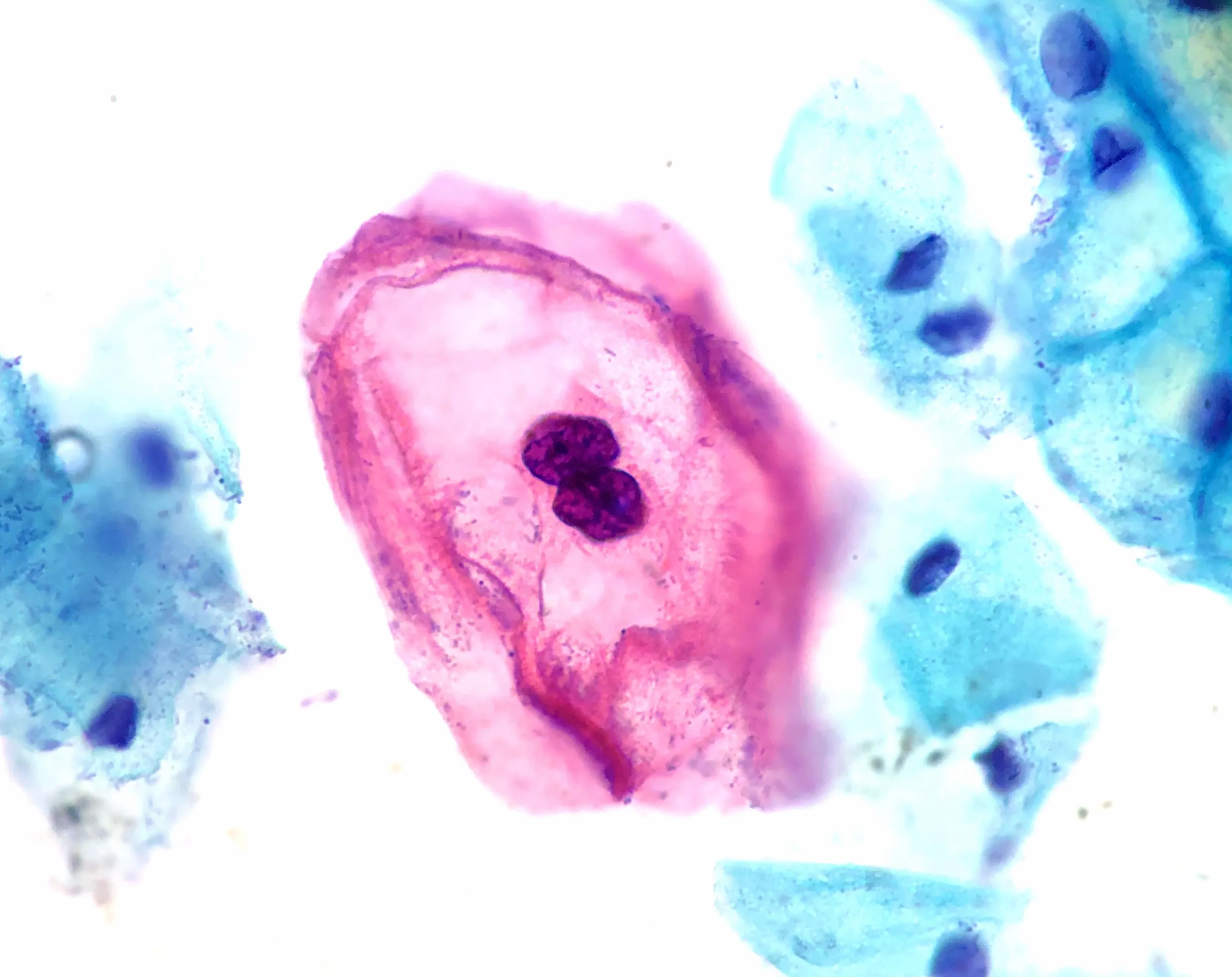
Micrograph: Ed Uthman, HPV-Infected Squamous Cell (Koilocyte) of the Cervix, CC BY 2.0. Unmodified.

Where this comes from
- NHS (United Kingdom): accessed 2026-10-09
- NCI: accessed 2026-10-09
- American Cancer Society (ACS): accessed 2026-10-09
- Immunize.org (Immunization Action Coalition, funded by the CDC): accessed 2026-10-09
- Bogani et al., Gynecologic Oncology 2020 (doi:10.1016/j.ygyno.2020.08.025): recurrence at 5 years after LEEP and laser conization; HPV persistence was the only factor associated with recurrence.
- Hogewoning et al., International Journal of Cancer 2003 (doi:10.1002/ijc.11474): randomized trial; condom use by the partner increased CIN regression and HPV clearance.
This is educational content, meant to help you understand your body. It is not a medical consultation or a diagnosis, and it does not tell any particular person what to do. If something worries you, see a doctor you trust.