
You asked
How often do I need a Pap test, and until what age?
This question came from the comments on this video:
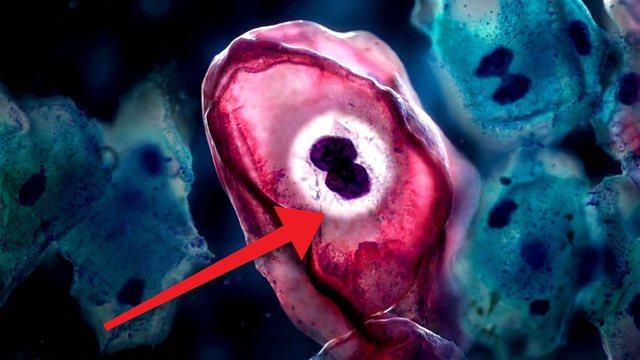
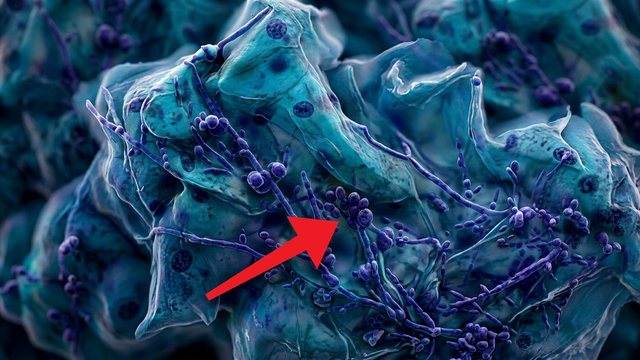 Herpes, trichomonas, yeast, vaginosis .. your Pap test detects more than cancer
USPSTF 2018 recommends a Pap every 3 years from 21 to 29, whether or not you've had sex. From 30 to 65, a Pap every 3 years or HPV test every 5. After 65, you can stop with adequate prior normal screening and no high risk. With prior abnormal cells or a weakened immune system, your doctor adjusts the plan.
Why doesn't a Pap test always catch cancer, even when I get it on time?
Because it only checks the cervix; the ovaries and endometrium are out of its reach. It can also come back normal with a lesion present: the brush missed the affected area, blood or inflammation hid the cells, or there were too few to see under the microscope. If you bleed between periods, mention it at your visit.
Does a Pap test detect HPV, or do I need a separate test?
No, the Pap shows the changes the virus leaves in cells. The HPV test is the one that looks for the virus, and it can run on the same sample. Your doctor decides which one fits your age, and both are done before there are any symptoms.
After giving birth, how long should I wait for a Pap and HPV test?
It's best to wait until the cervix has recovered from the birth, so the result is reliable. Your doctor sets the timing for your case. At your postpartum checkup, you can ask when you're due and which test to get.
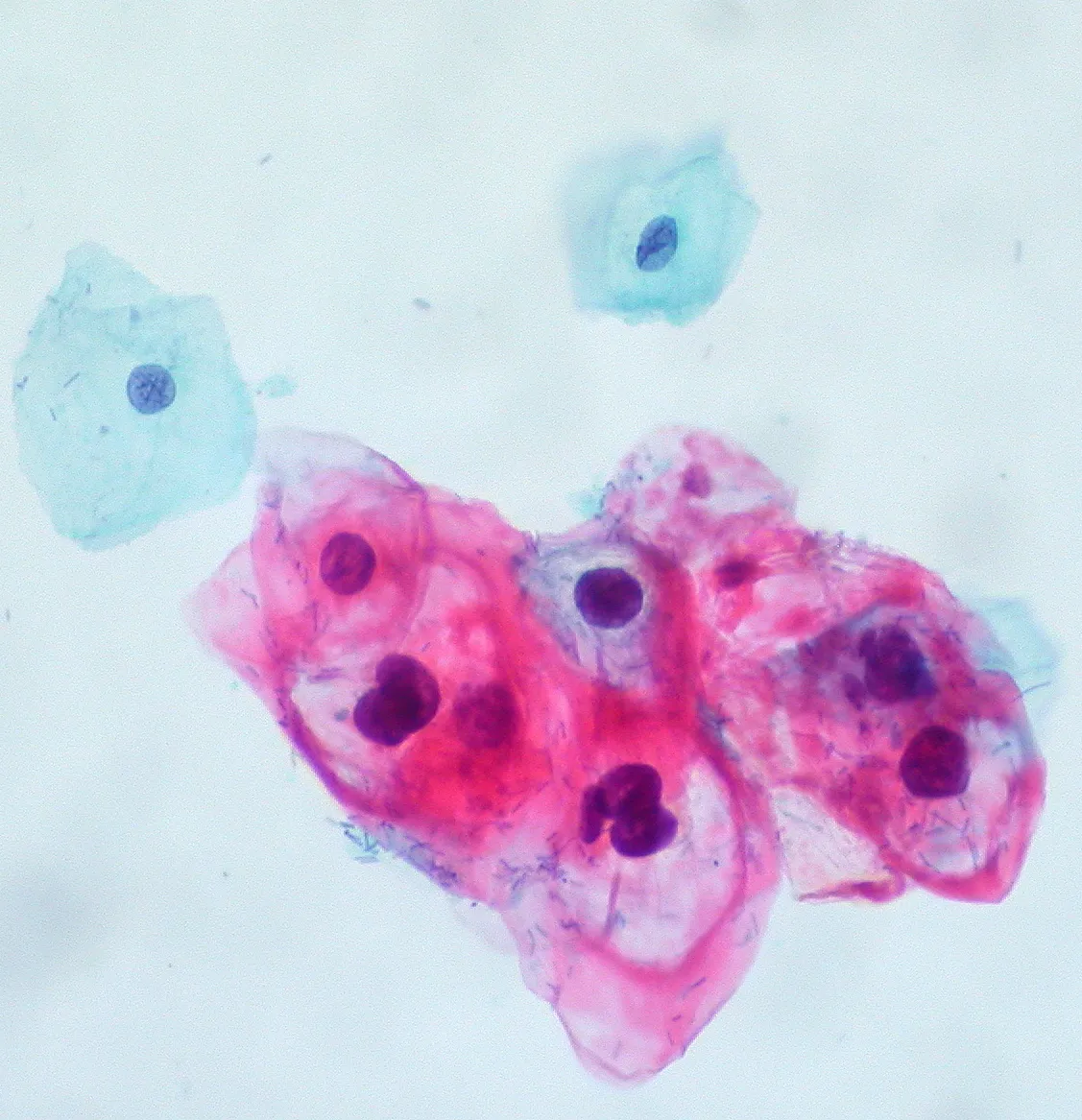
Micrograph: Ed Uthman, CIN 1/HPV on ThinPrep, CC BY-SA 2.0. Unmodified.

Where this comes from
This is educational content, meant to help you understand your body. It is not a medical consultation or a diagnosis, and it does not tell any particular person what to do. If something worries you, see a doctor you trust.