
You asked
What tests should I get to find out if I have cancer?
This question came from the comments on this video:
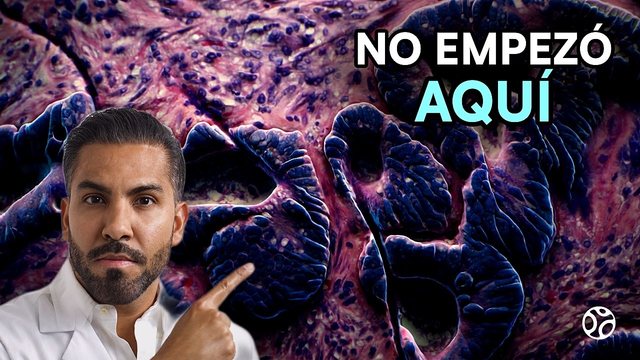 They found several tumors in his liver .. but the cancer started somewhere else
Hearing Spanish on YouTube? Tap ⚙ › Audio track › English
Also came up on 5 more videos
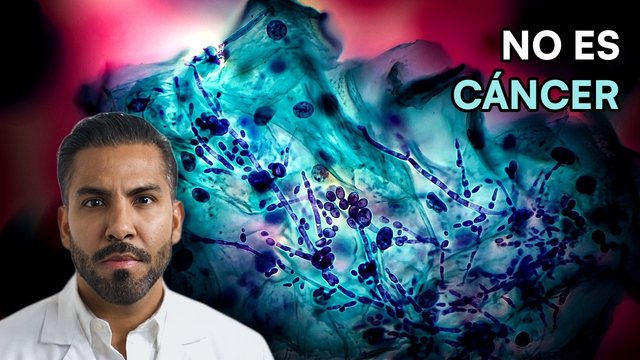 Herpes, trichomonas, yeast, vaginosis .. your Pap test detects more than cancerYouTube · In Spanish
 A reel by Dr. Carlo on InstagramInstagram · In Spanish
 Invisible cancer: detecting it in the blood before symptoms appearYouTube · In Spanish · English audio
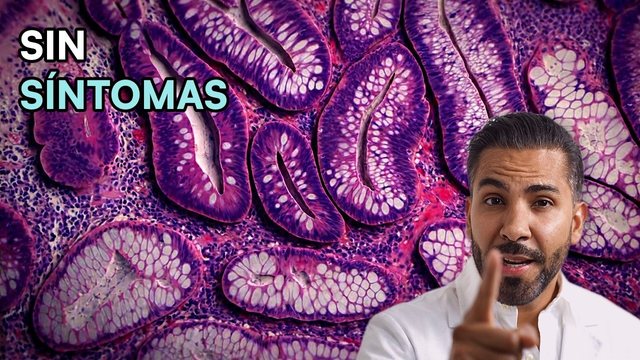 A colon polyp: harmless or the first step toward cancer?YouTube · In Spanish
 A reel by Dr. Carlo on FacebookFacebook · In Spanish
Only a few cancers have proven tests to look for them before symptoms. Those are mammograms for breast, Pap and HPV tests for the cervix, and stool tests or colonoscopy for colon. PSA covers prostate, and low-dose CT covers lung. Your doctor decides which ones fit your age and history.
Why isn't there one test that catches any cancer early?
Because what a tumor sheds into the blood doesn't show up in every case, and sometimes it shows up without cancer. Newer tests look for tumor DNA in the blood, but no guideline recommends them yet. Over half of their positive results turn out not to be cancer, and they don't replace the tests we already have.
At what age should I start getting these tests?
The starting age depends on the type of cancer, your sex and your family history. If cancer runs in your family, screening may start earlier, and your doctor will set that schedule with you. A new lump or a mole that changes gets checked at any age, even if your screening tests came back normal.
Is an X-ray or a blood test enough to tell if I have cancer?
No, neither an X-ray nor a blood test is enough to tell if you have cancer. An X-ray shows structures like a mass, but it can't see cells. A blood marker can rise without cancer, or stay normal when cancer is there. The diagnosis comes from a biopsy, when a pathologist looks at the tissue under a microscope.
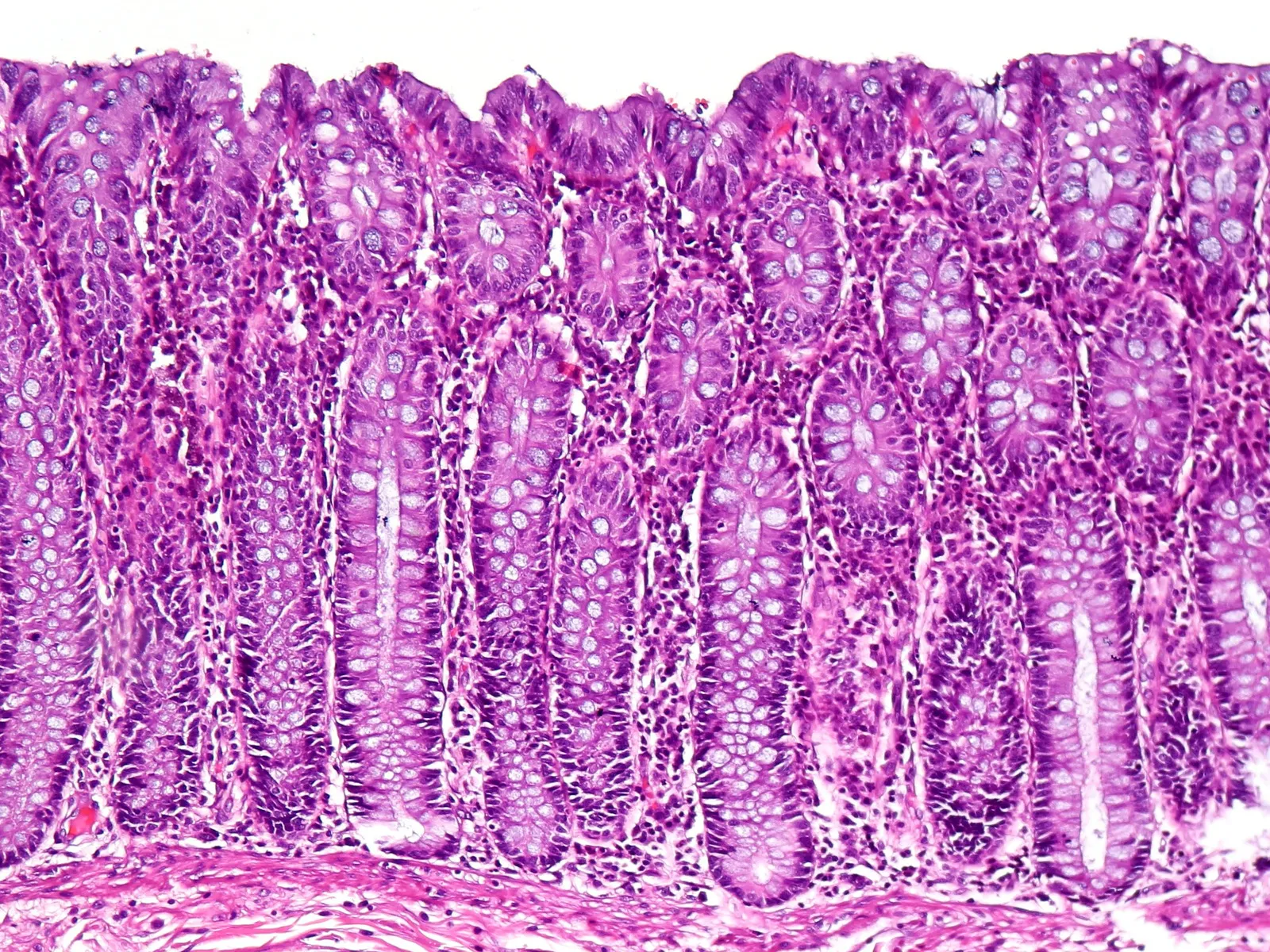
Micrograph: CoRus13, Colon, intermed. mag., CC BY-SA 4.0. Cropped, resized, and contrast-adjusted from the original.

Where this comes from
This is educational content, meant to help you understand your body. It is not a medical consultation or a diagnosis, and it does not tell any particular person what to do. If something worries you, see a doctor you trust.