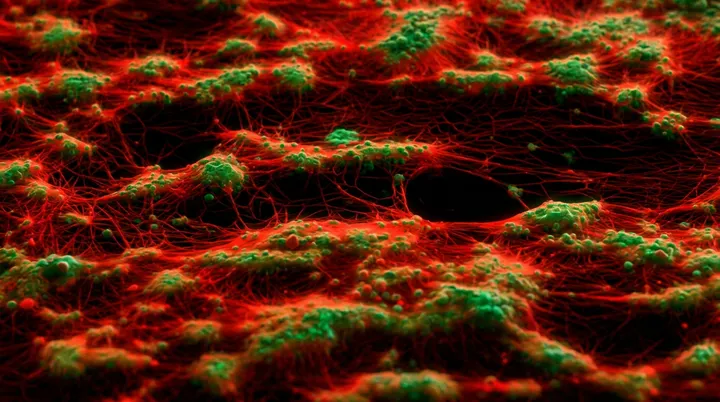
Heart · Visual journey

The journey of a bacterium that sticks to a heart valve.

A few dark lines under your nails can sometimes tell the story of a journey: from the mouth into the bloodstream, and from the bloodstream to the heart. Most often, though, those lines come from an injury to the nail.
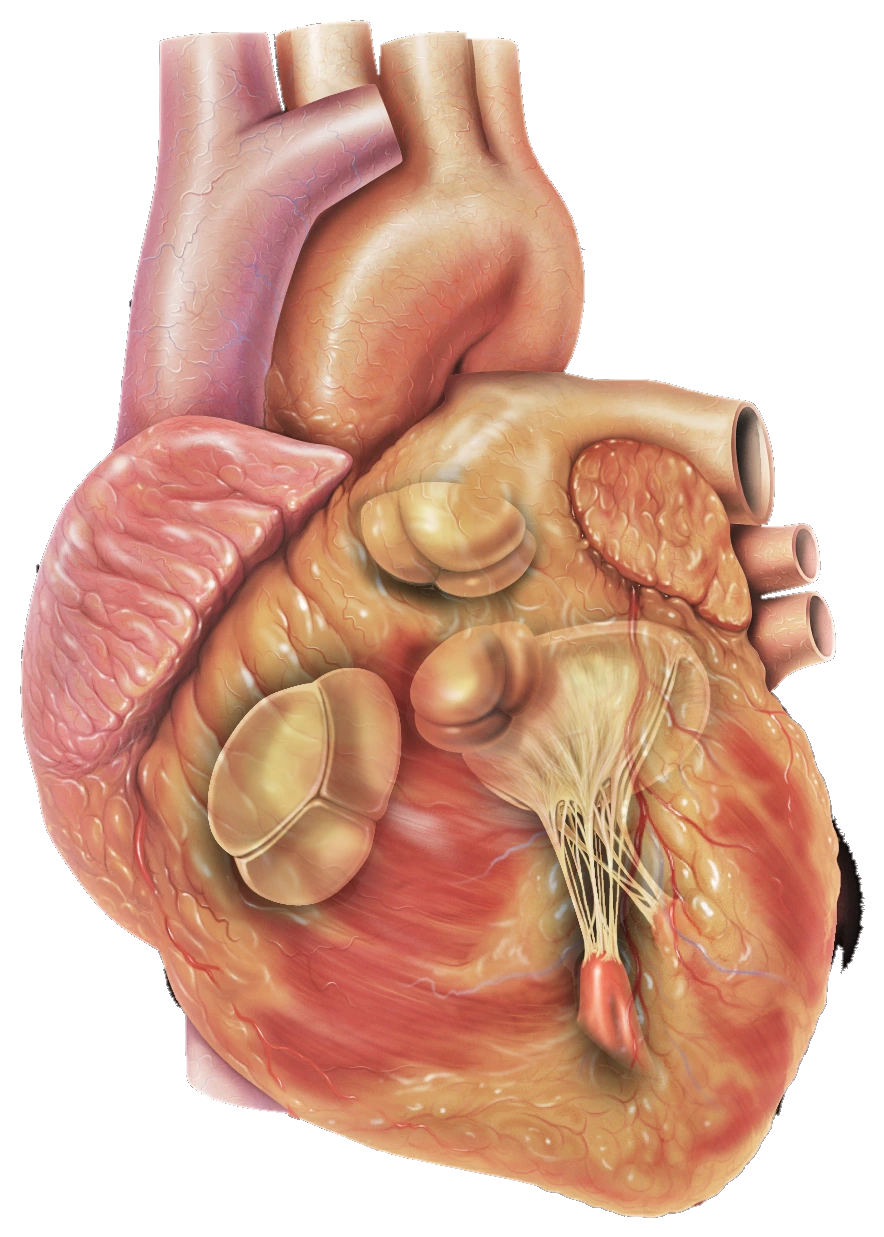
Medical illustration of a healthy heart seen from the front, with its four pale valves inside

Heart

Four valves, four one-way doors.

The pale structures inside the heart are its valves. They open to let blood through, then close so it can’t flow backward.

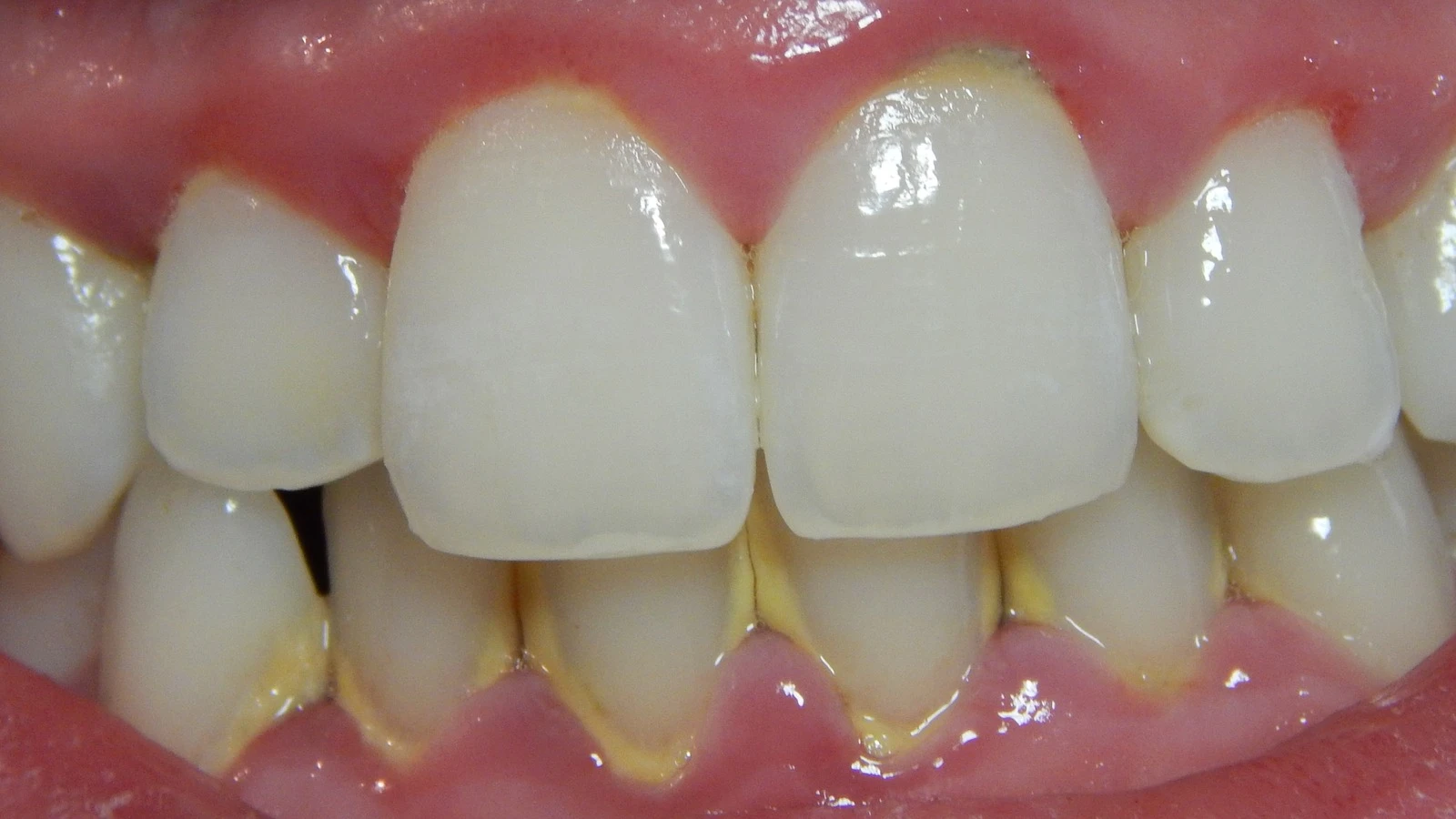
Photo of teeth with gingivitis: red, swollen gums next to the teeth

Mouth

How do bacteria get into your blood?

Often through your mouth. They can slip in when you chew or brush (more easily if your gums are inflamed) or during a dental procedure.

Other ways in: a wound in the skin, injecting drugs or a catheter in a vein.

In the photo: gingivitis, with red, swollen gums.

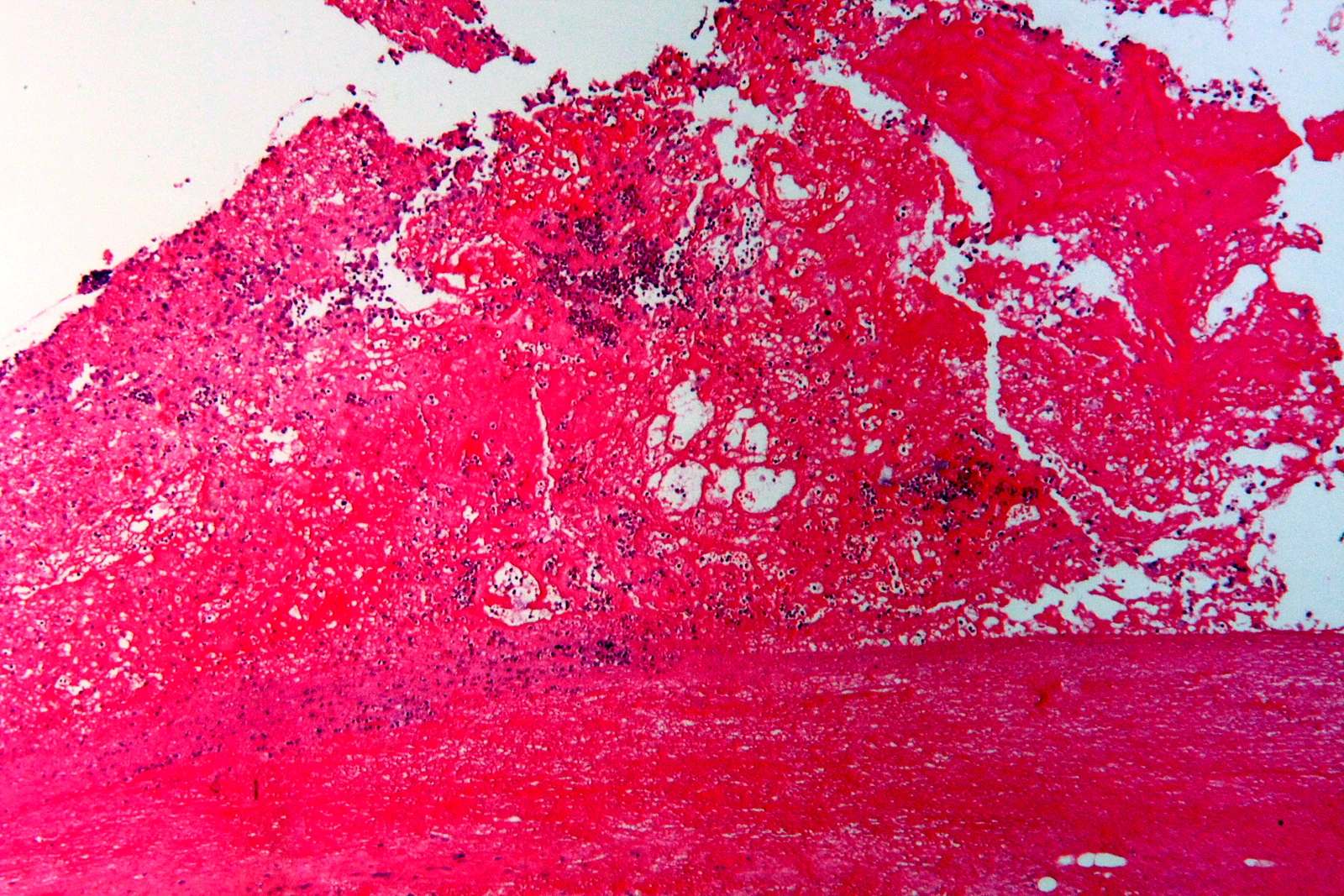
Hematoxylin and eosin micrograph of an aortic valve with an endocarditis vegetation

Valve

Endocarditis: bacteria prefer a damaged valve.

Endocarditis is rare, but a damaged or artificial valve gives bacteria a place to build up. There, bacteria that have made it into the bloodstream stick to the heart’s inner lining and form a clump called a vegetation.

In the image: the clump is on top, the valve below.

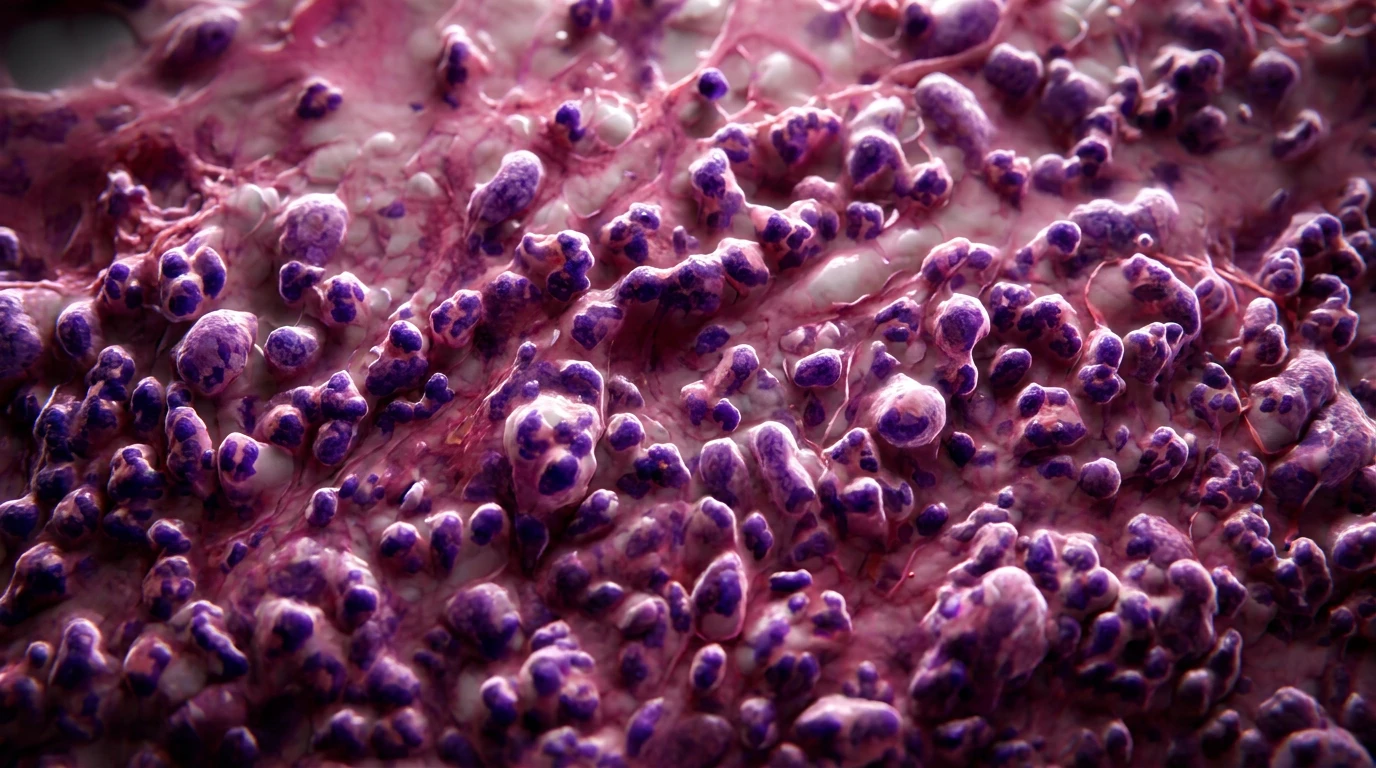
Endocarditis vegetation under the microscope, stained with hematoxylin and eosin

Microscope

The vegetation, up close.

It’s made of microbes trapped in a tangle of immune cells, platelets (which plug wounds in blood vessels) and fibrin (the protein that forms the mesh of a clot).

From the heart to the nail

From the heart to the nail

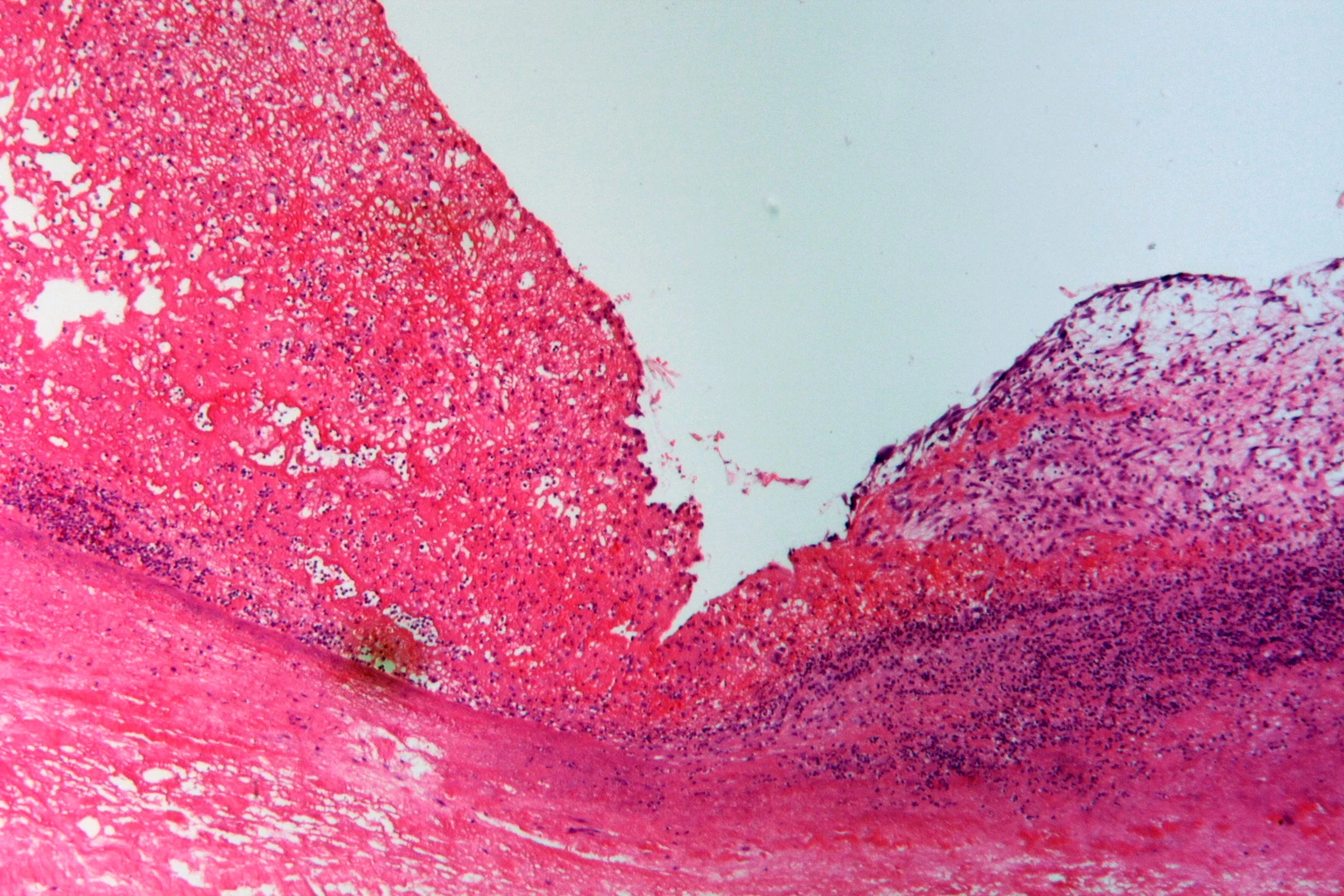
When a piece of the vegetation breaks off.

It travels through the bloodstream and can block blood vessels or carry the infection to other parts of the body.

Hematoxylin and eosin micrograph of an endocarditis vegetation on an aortic valveVegetation
Top left: the vegetation (fibrin and cells). Below it: the aortic valve.
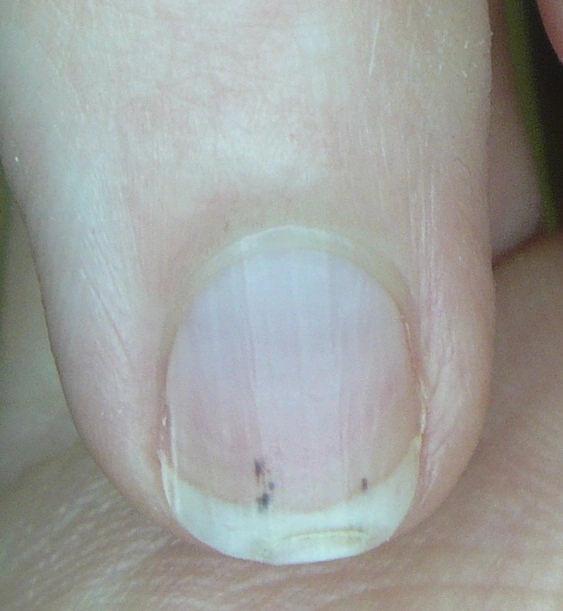
Fingernail with splinter hemorrhages: thin, dark lines of blood under the nail

Nail

Splinter hemorrhages.

Tiny clots can damage the capillaries (the smallest blood vessels) under the nail and leave these lines behind. Even so, the most common cause is an injury to the nail.

What you can do

Brush and floss every day, and see your dentist regularly.

You’ve seen that inflamed gums are a way in. Taking care of them helps prevent the infections that can lead to endocarditis.

If you have an artificial valve, have had endocarditis before or were born with a heart defect, check with your doctor before going to the dentist.

I’m your friend, Dr. Carlo De la Sancha. Health and Science for all.

Keep learning

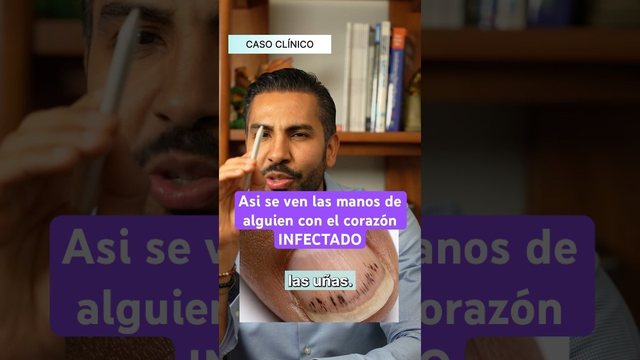
What do the hands of someone with endocarditis look like?

What the hands of a patient with a heart infection can look likeWatch “What the hands of a patient with a heart infection look like”
Medical transparencySources and scope

The medical evidence behind this journey and where each image comes from.

All three micrographs show endocarditis of the aortic valve a few weeks after surgery on that valve. The reveal image is based on one of them; the overview has enhanced contrast and color, and the detail is shown unaltered.

This journey explains the topic in general terms; it does not tell you what to do in any individual case.

Sources verified through October 31, 2026.

Know someone who would find this helpful?

Share it with them.