

Iron · Visual journey
Iron’s journey: where it gets in and where it slips away.
Your iron is low, you take it, and it drops again? Let’s follow it.
Iron · Visual journey
Your iron is low, you take it, and it drops again? Let’s follow it.
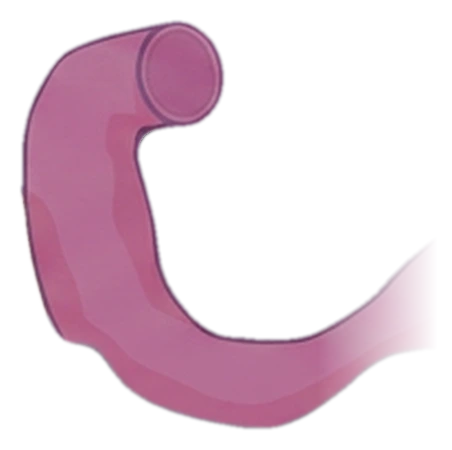 DuodenumThis is where iron gets in
The way in
It’s the first part of the small intestine, right after the stomach, and it’s where iron gets into your body.
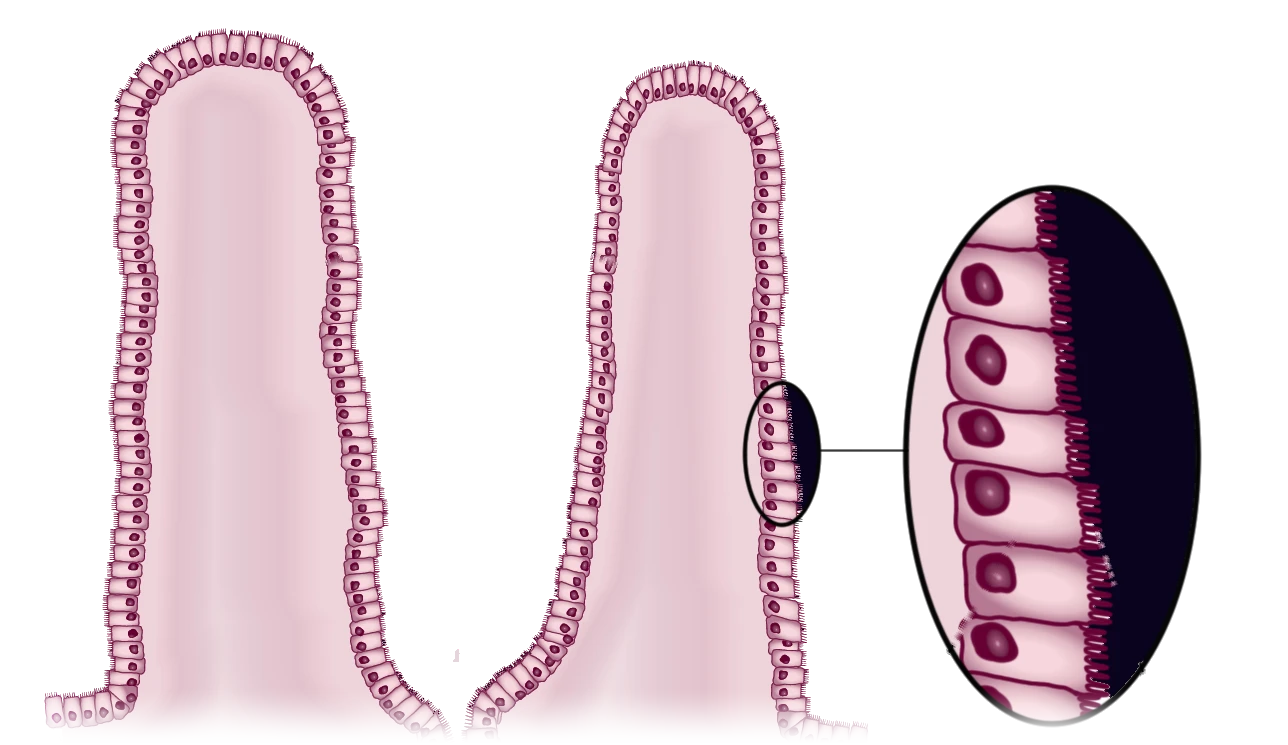 EnterocytePasses iron into the blood
The intestinal wall
The villi lining the duodenum are covered in cells called enterocytes. Iron enters these cells and passes into the blood through a doorway called ferroportin.
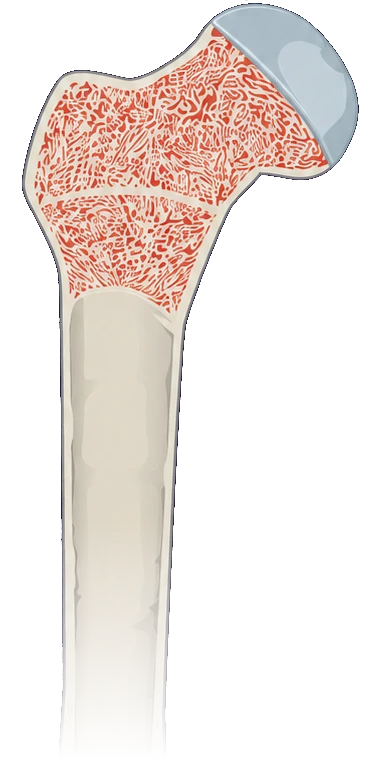 Bone marrowThis is where red blood cells are made
Destination
Your blood carries it to the marrow, which uses it to make red blood cells. And almost all of it gets recycled.
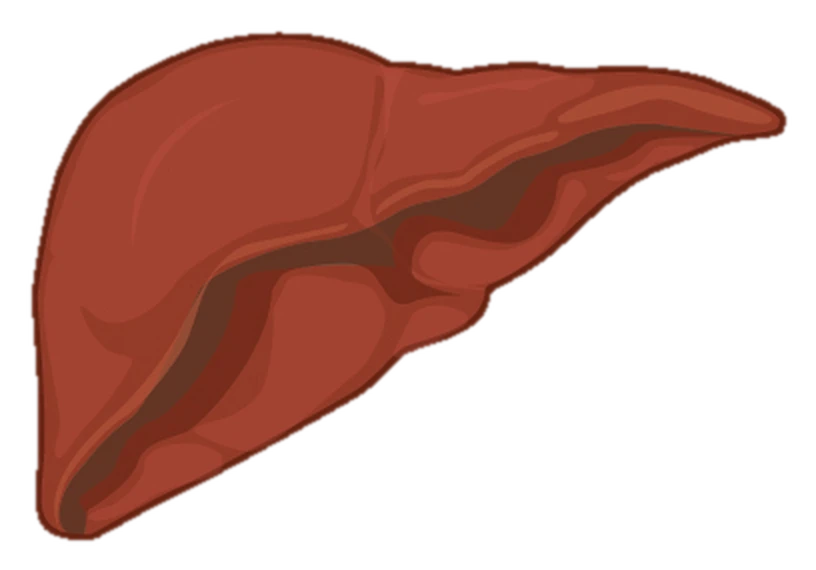 LiverStores iron and makes the brake
Storage and the brake
It stores whatever iron is left over. It also makes hepcidin, the brake: hepcidin shuts the ferroportin doorway, so less iron gets in.
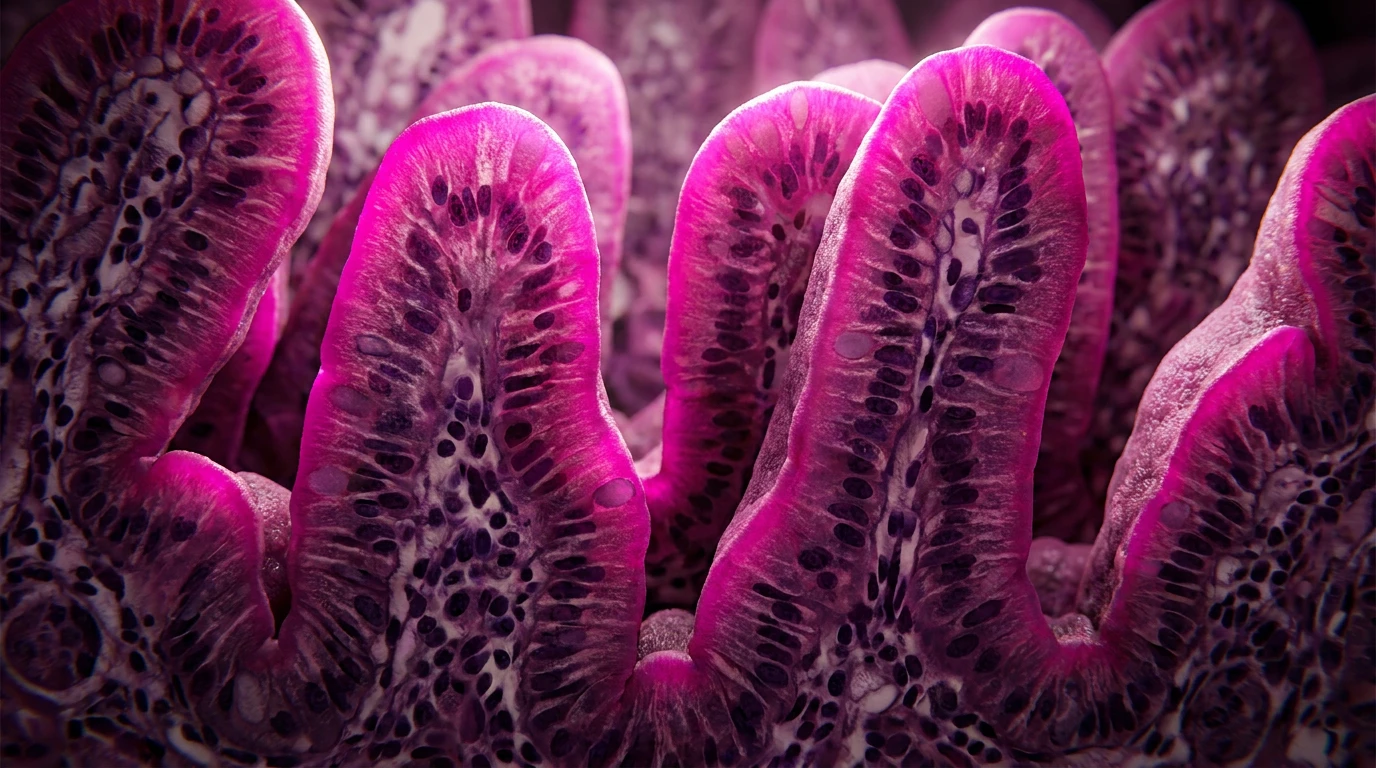
Under the microscope
Two duodenal biopsies
In celiac disease, the body’s reaction to gluten flattens the villi, and less iron is absorbed.
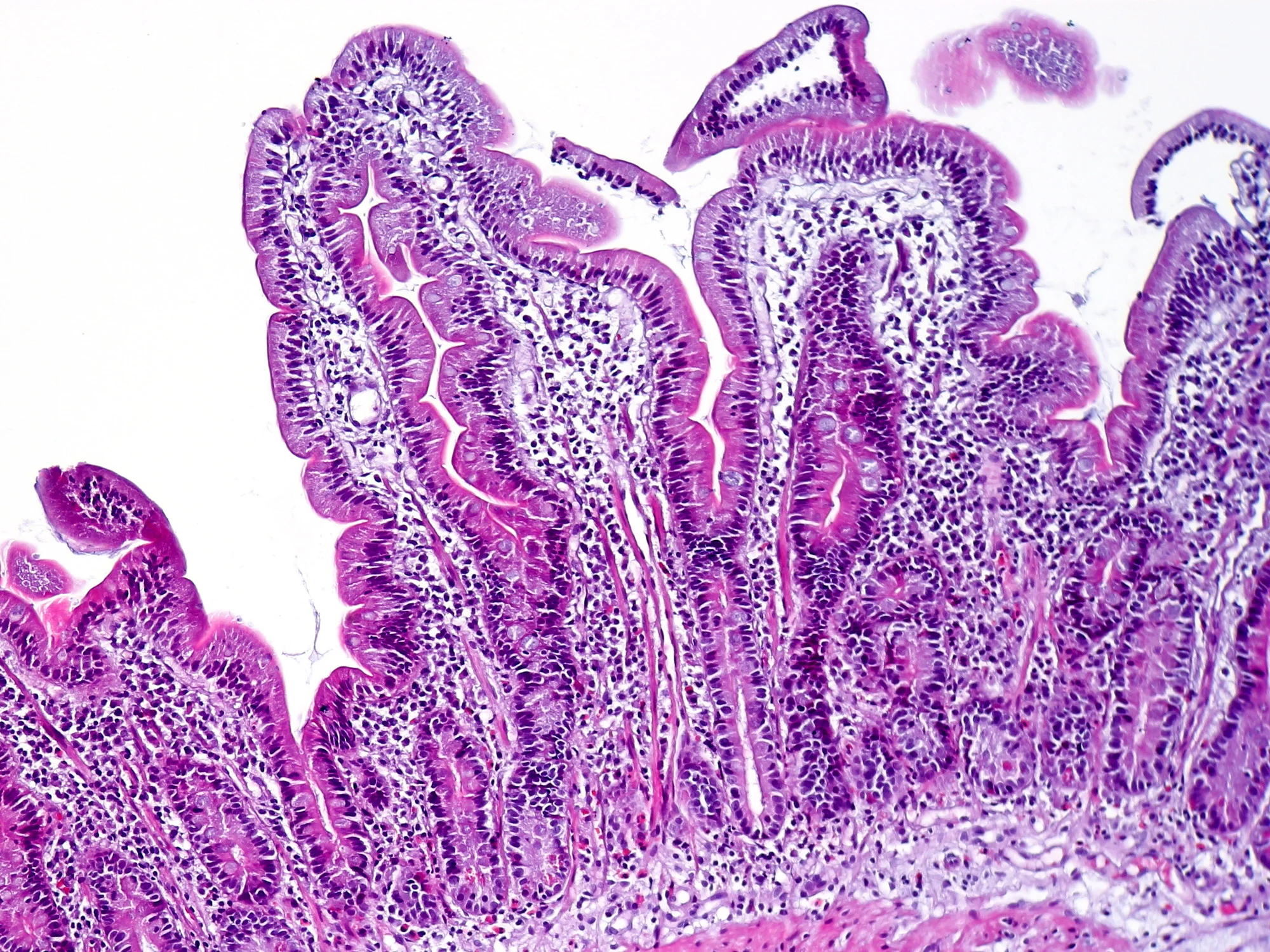 Tall villi
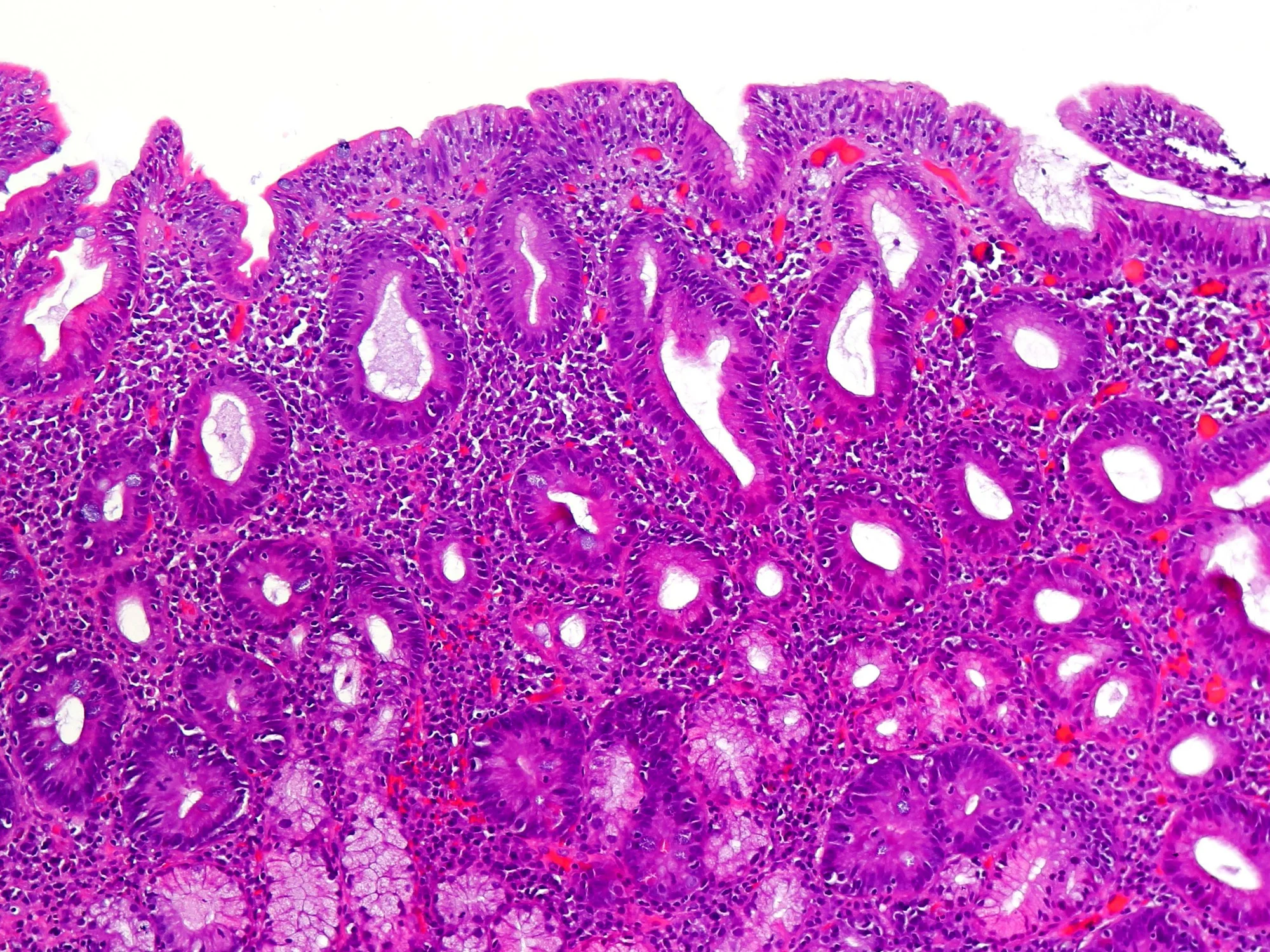 Almost flat surface
On a lifelong gluten-free diet, the villi heal. But don’t cut out gluten before you’re tested: doing so throws off the results.
The question
Iron is a balancing act: what comes in versus what you lose.
EnterocyteIf the wall is damaged, less gets in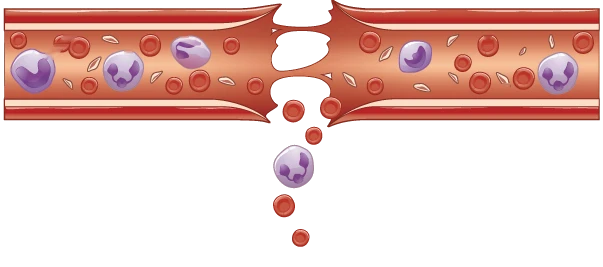 BleedingEvery bleed takes iron with it
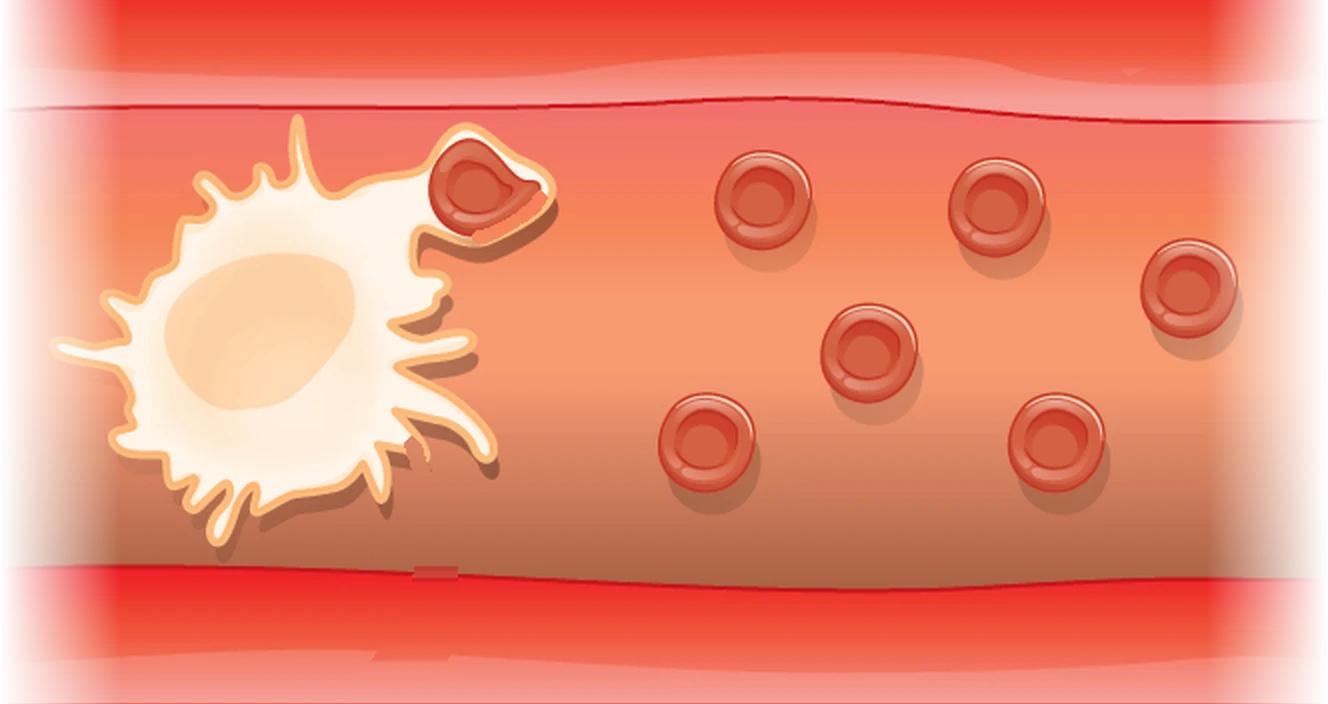 MacrophageWith inflammation, it holds on to ironLiverExcess iron builds up here
If your intestine is damaged (by celiac disease, Crohn’s disease, Helicobacter pylori or surgery), less iron gets in, even when you take it.
Heavy periods, an ulcer, colon cancer, or taking aspirin or ibuprofen often.
Long-lasting inflammation raises hepcidin. You have iron in storage, but it doesn’t reach the marrow. Treatment is aimed at the underlying disease.
In hemochromatosis, the body absorbs too much iron, and the excess damages the liver, heart and pancreas. Your body has no good way to get rid of it, so iron isn’t something to take “just in case.”
What you can do
Low iron always has a reason behind it. Finding that reason is what truly fixes it.
Bring your lab results (complete blood count, ferritin) and ask: Am I losing blood? Am I absorbing iron well? Is there inflammation?
Beans, lentils, eggs, meat and leafy greens, paired with oranges or tomatoes. Black tea cuts down how much iron you absorb.
Take them only if your doctor recommends them. Your iron stores take about six more months to refill. Keep them out of children’s reach: they can be deadly.
Pregnant women and babies, as well as people who have heavy periods, give blood often, or have cancer, digestive problems or heart failure.
No iron supplements, and no vitamin C supplements either.
Your friend, Dr. Carlo De la Sancha. Health and science for everyone.
How can a damaged intestine leave you low on iron?
 Watch “Gluten and celiac disease: always exhausted, with a gut on fire”
The drawings are cropped from the cited illustrations. Their original labels, arrows and backgrounds were removed with code, and no structure was redrawn; the labels you see were added for this page. The micrograph of the duodenal wall is a version of the cited image with more depth, and the two biopsies are cropped and shown at the same brightness levels.
Educational content for the general public. It can’t diagnose anemia or replace a visit with your doctor: the cause and the treatment depend on your test results and on your health care team’s assessment.