Cushing disease
The extra cortisol makes the face rounder and leaves purple stretch marks on the skin.
Pituitary gland · Visual journey
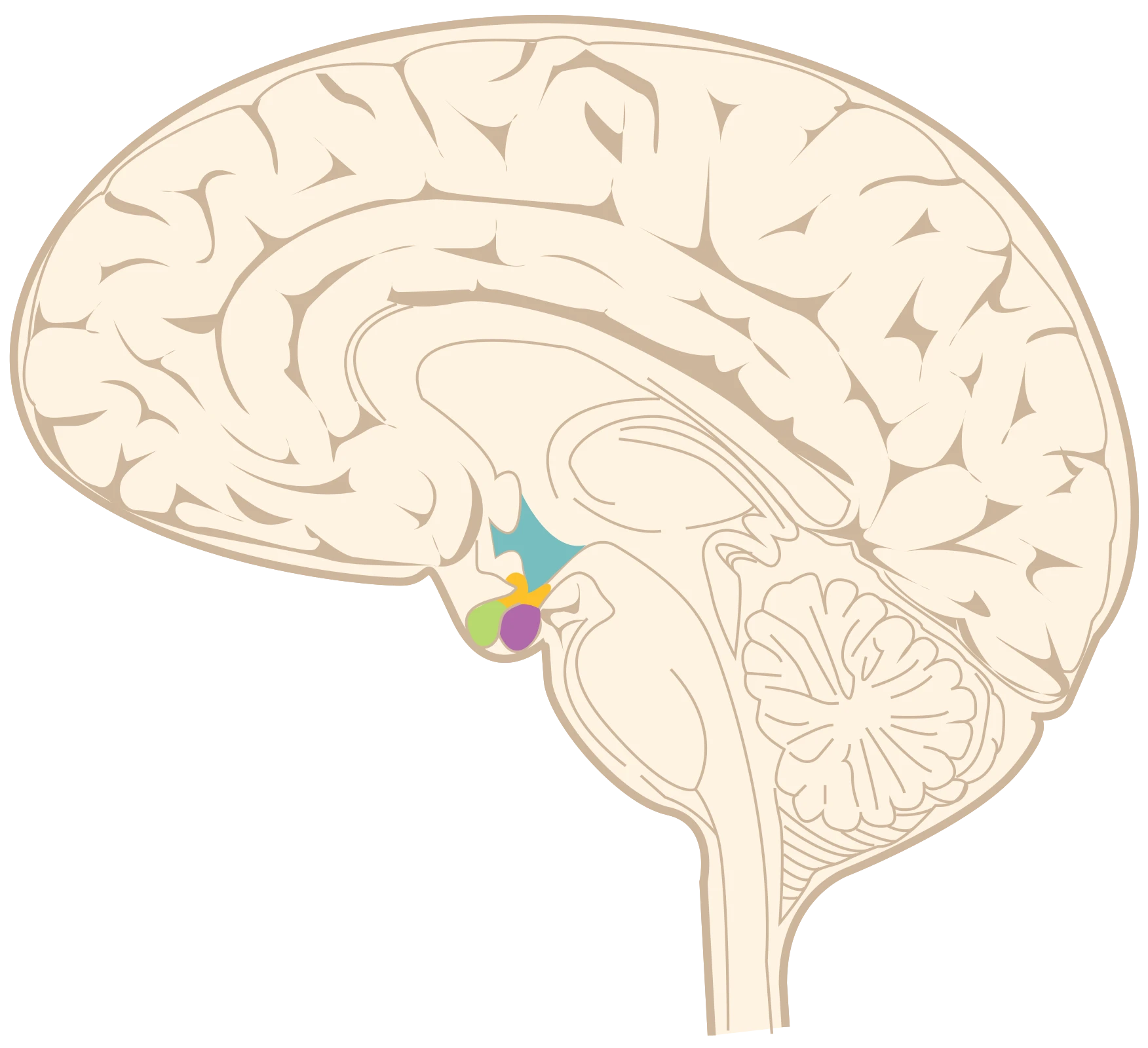
It’s the size of a pea and sits at the base of the brain, yet it tells other glands what to do.
In the brain
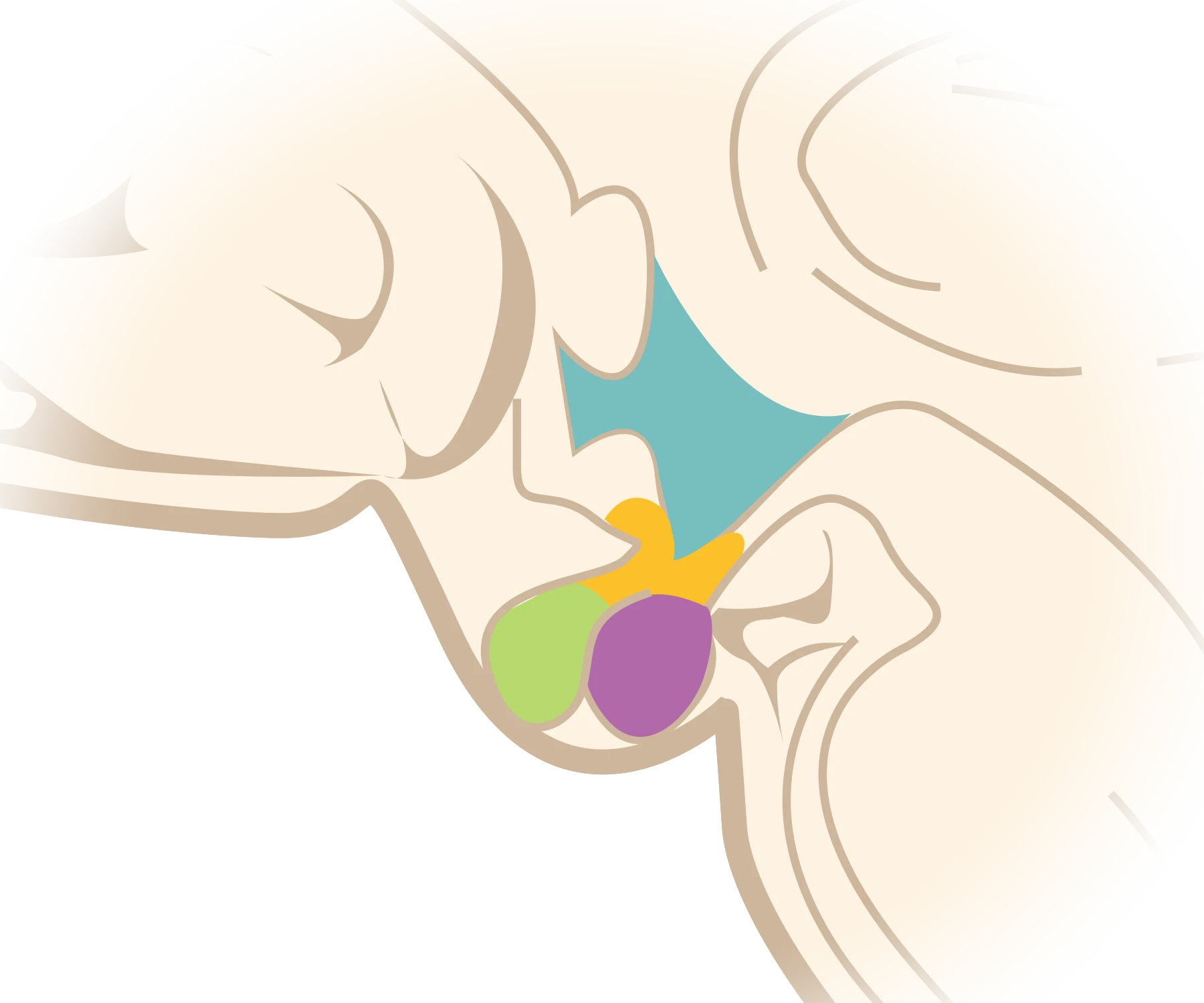
It hangs from a stalk attached to the hypothalamus, the region right above it. Together, the two act as the body’s hormone control center.
The pituitary
The anterior (front) lobe makes hormones. The posterior (back) lobe makes none of its own; it stores hormones made by the hypothalamus and releases them.
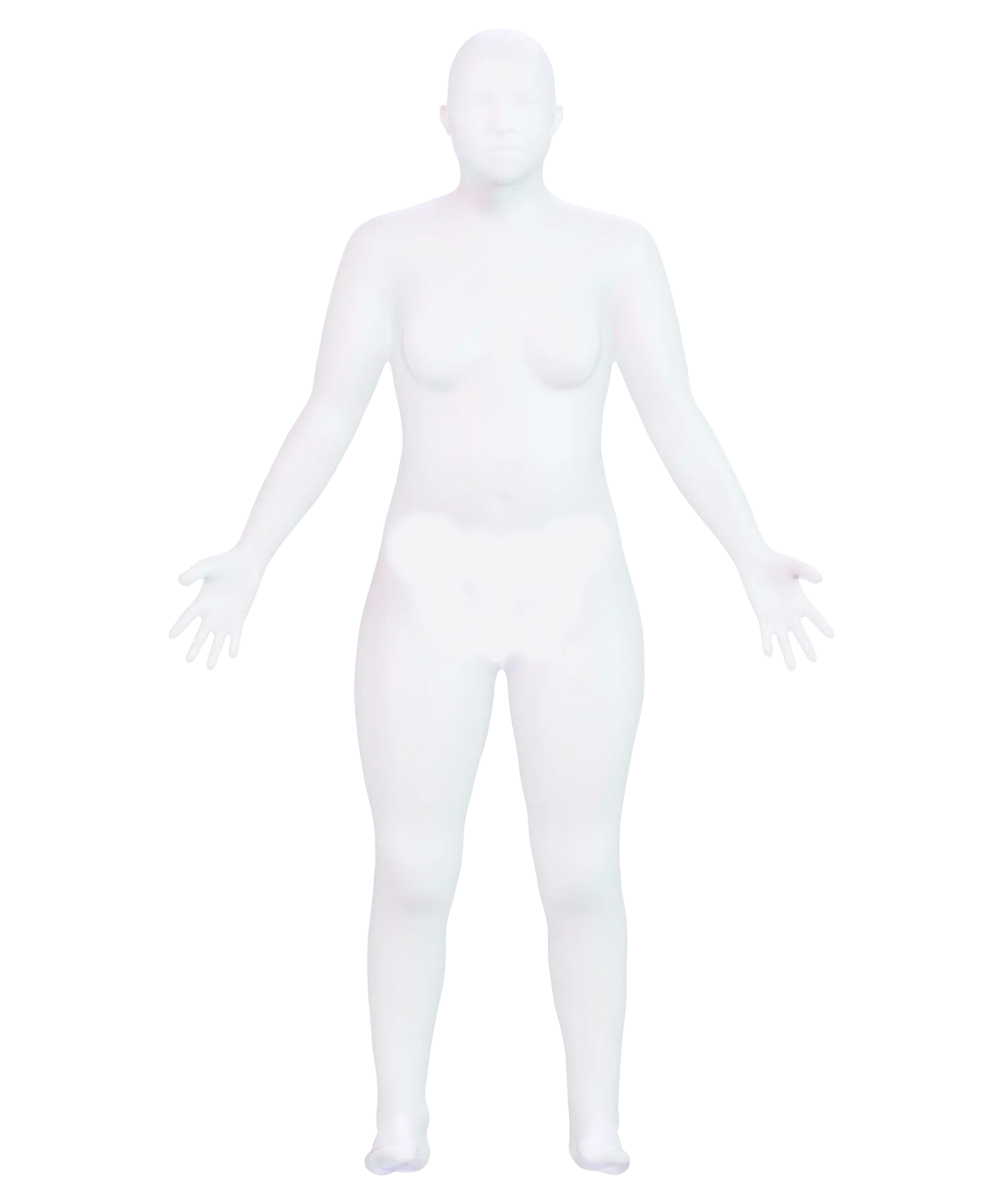
The sequence starts with the whole body, with the head marked, moves to a cross-section drawing of the brain with the pituitary highlighted, and ends with a close-up of a healthy gland: the hypothalamus in turquoise, the stalk in yellow, the anterior lobe in green and the posterior lobe in purple.
Its chain of command
Drives the body to make protein and build tissue.
Prompts it to release its own hormones.
Prompts their outer layer, the cortex, to release cortisol.
Helps eggs and sperm mature.
Triggers ovulation and the production of sex hormones.
Promotes milk production.
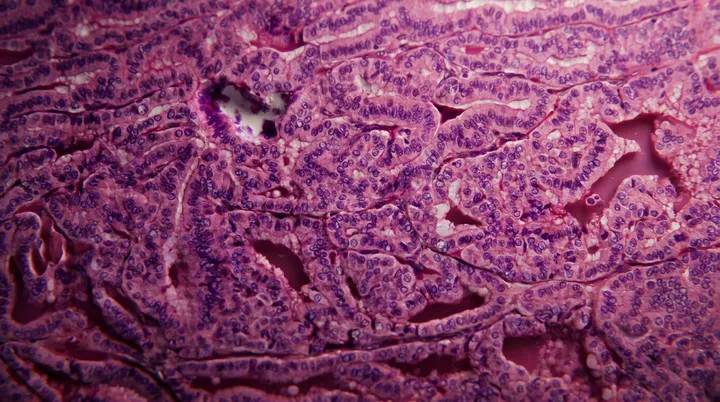
When the pituitary goes into overdrive
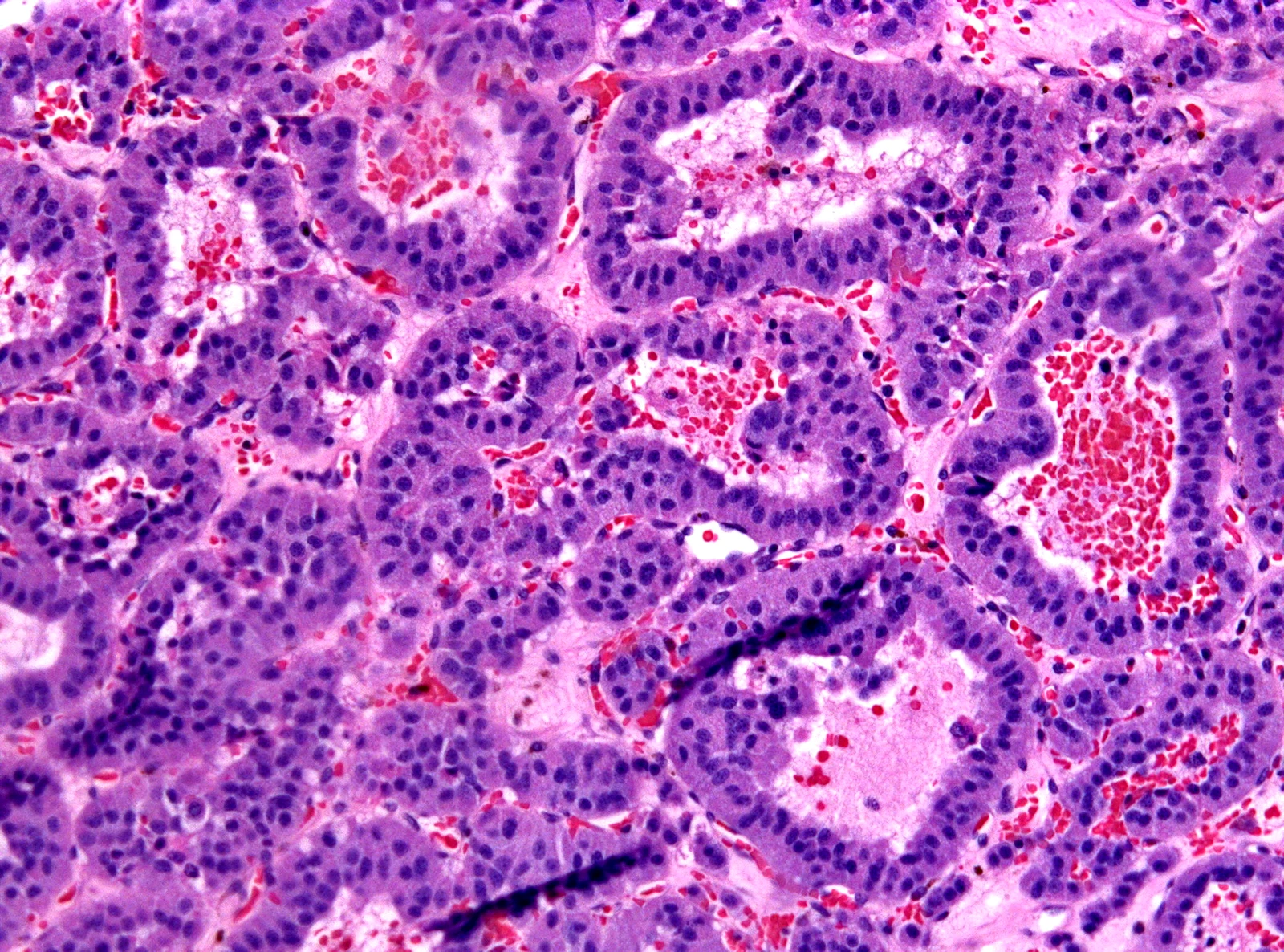
A tumor, almost always benign, can make the gland produce too much of one hormone. What you notice depends on which hormone it is.
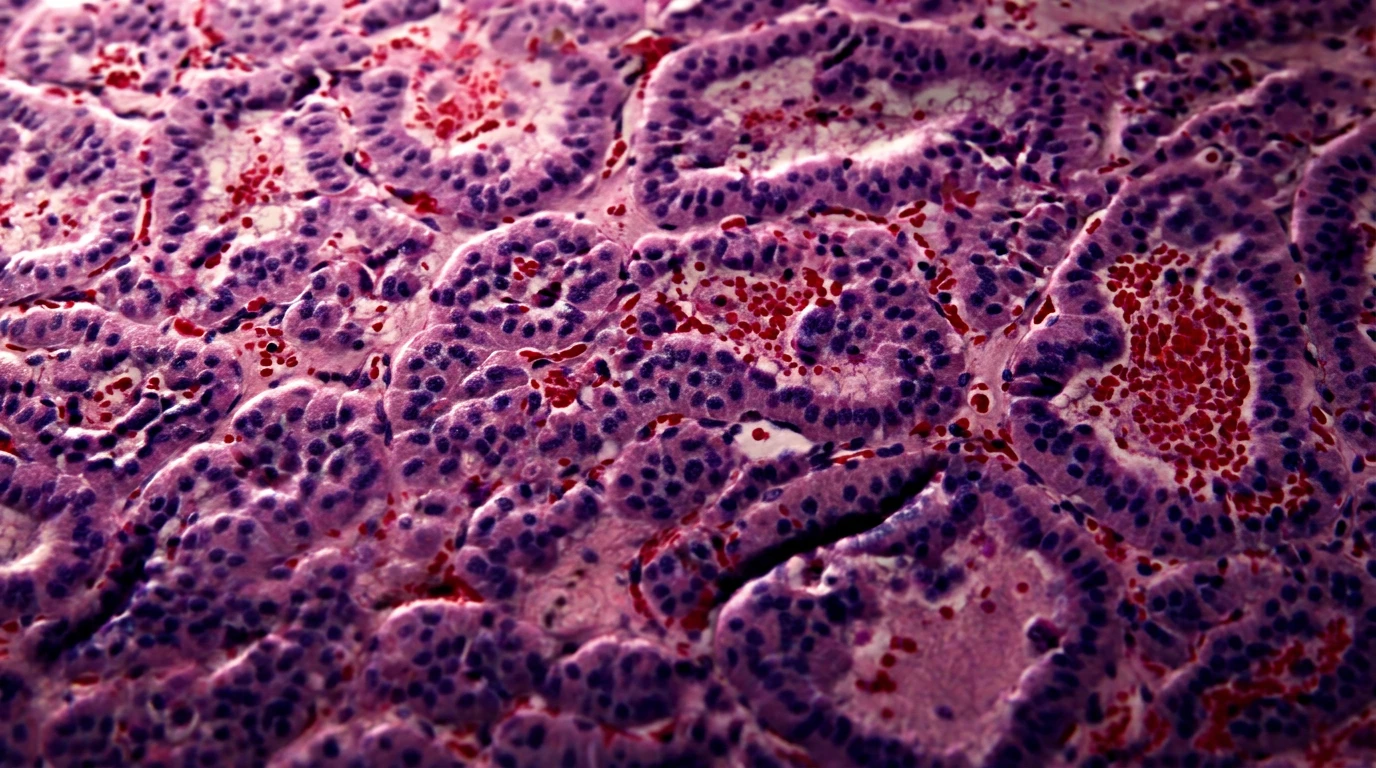
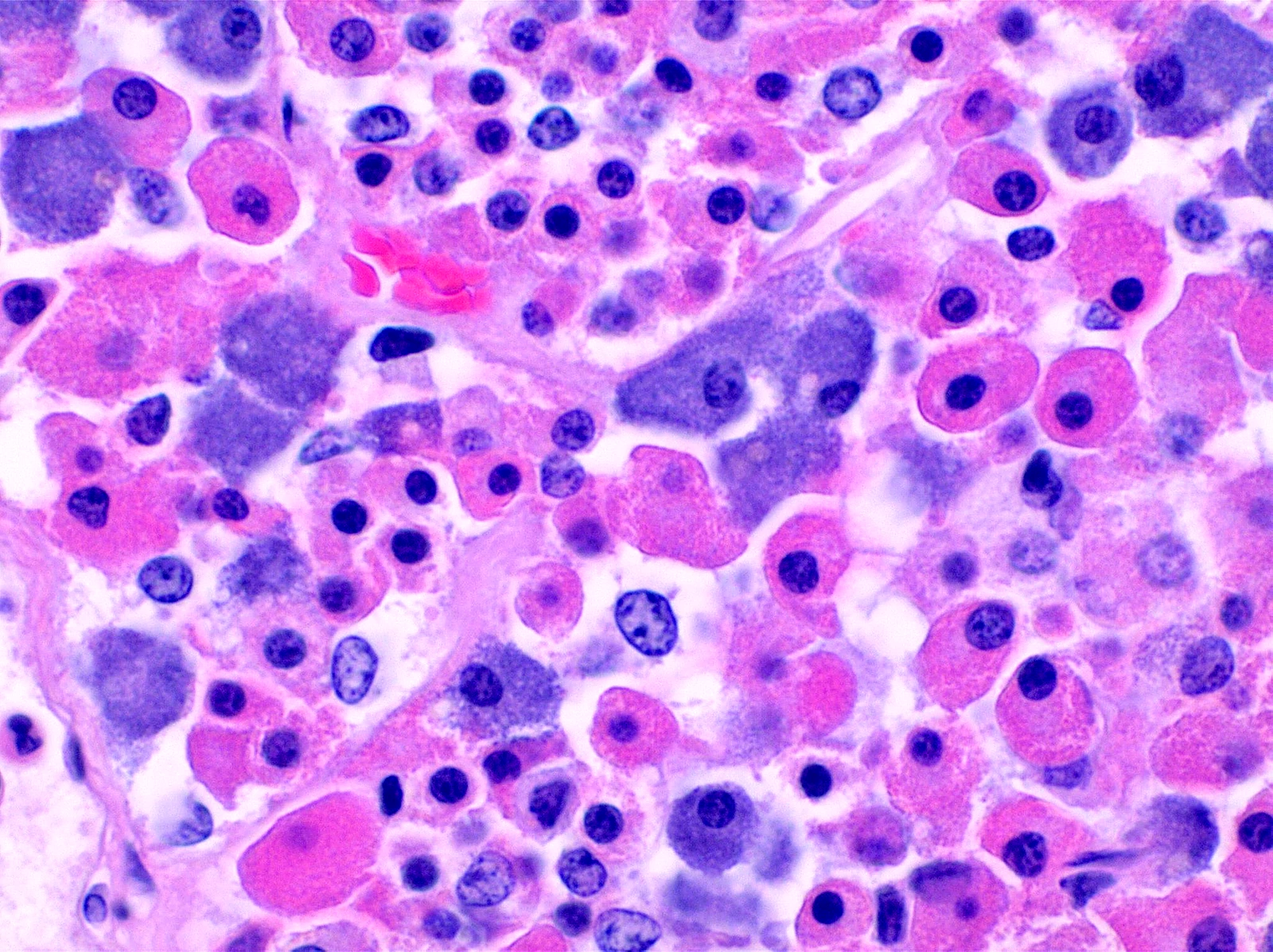
Under the microscope
Healthy pituitary
With a benign tumor
What you can do
This kind of tumor can make too much of a hormone or, as it grows, press on the structures around it. The symptoms depend on which of these is happening.
The extra cortisol makes the face rounder and leaves purple stretch marks on the skin.
The breasts leak milk even when there’s no pregnancy or breastfeeding, or periods become irregular or stop altogether. In men, the excess prolactin lowers sex drive.
Your rings and shoes stop fitting, and your facial features change.
Headaches, loss of side vision or double vision, when the tumor presses on the nerves for sight or the ones that control eye movement.
Don’t ignore them
Tell your doctor. A pituitary tumor is diagnosed with blood tests that measure hormones and an MRI of the head.
If symptoms come on suddenly
Double vision, vision loss or the worst headache of your life, coming on out of nowhere.
What does too much cortisol look like?
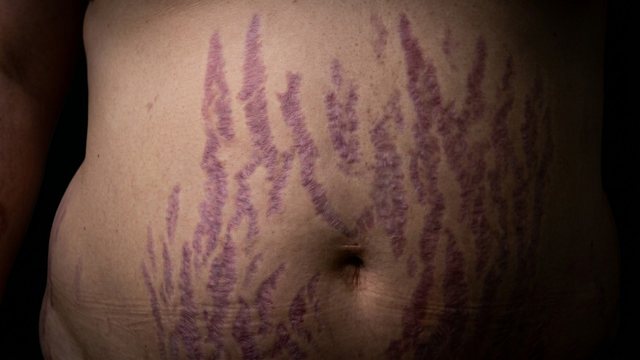 Watch the video about Cushing syndrome
The two micrographs in the comparison were enhanced from the originals using code (contrast, color and sharpness), without a generative model.
This page explains the topic in general terms; it doesn’t tell anyone which treatment to follow.
Sources verified through November 1, 2026.