Núcleo

For every health profession

Pathology

How do I understand disease without memorizing it?

Understand the pathology in your program, from the mechanism up.

2 parts · 21 modules

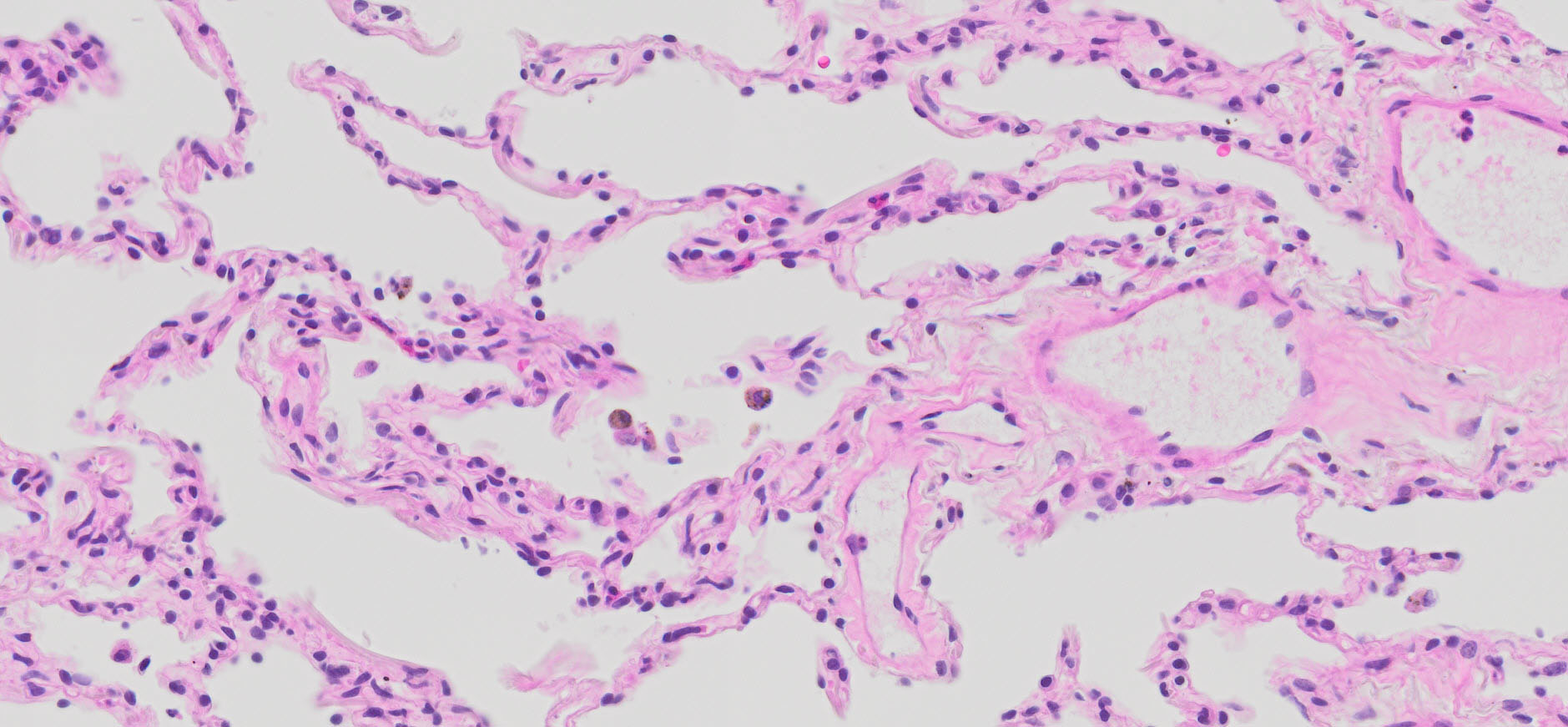
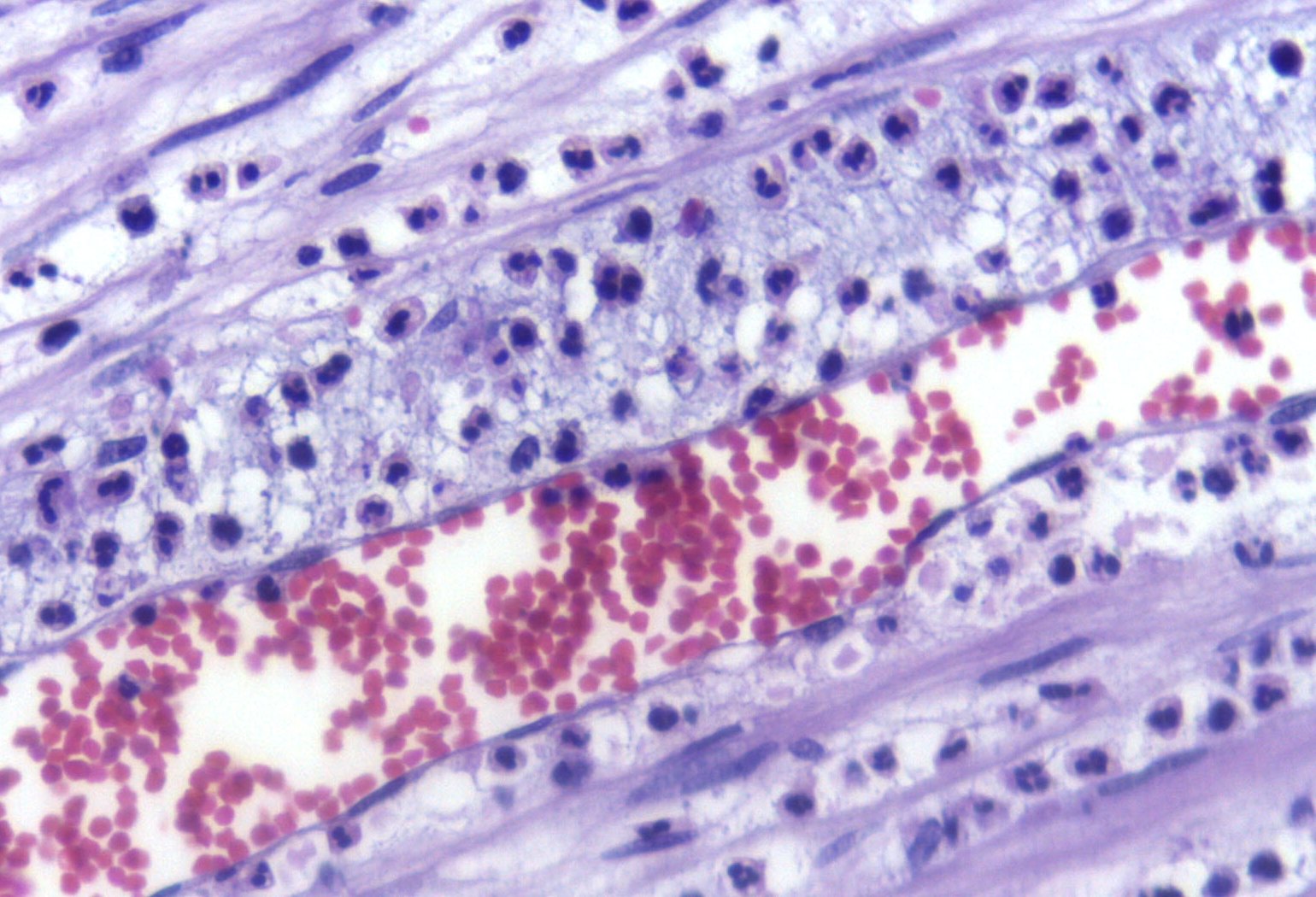
Lung under the microscope.
Plate 1Lung under the microscope.

Who is it for?

You study or work in a health profession (medicine, nursing, dentistry, nutrition, medical laboratory science, physical therapy, pharmacy, veterinary medicine...) and want to understand disease through its mechanism, not just memorize it.

Where do I start?

Everyone starts with Part 1, General pathology. If you’re a medical student, a resident or a physician, you continue with Part 2, Systemic pathology, made for you.

First the why. Then the fact for the exam.

Once you understand how a tissue gets sick, what the exam asks you has something to hold on to.

How each class works

This isn’t a course for memorizing. Every class is built so you understand the mechanism and recognize it throughout the body.

One mechanism, many diseases

I don’t teach you a topic in isolation. I link every mechanism to the diseases and the physiologic and pathophysiologic processes that share it, across every subject. You understand the why once, and you recognize it in dozens of diseases.

Integrins

  • Leukocyte adhesion deficiency type 1
  • Glanzmann thrombasthenia
  • Abciximab, eptifibatide, tirofiban
  • Natalizumab
  • Junctional epidermolysis bullosa with pyloric atresia
  • First the why

    Every class starts with an exam question. You don’t let go of it until you understand the mechanism that answers it, and then the trap gives itself away.

  • The mechanism in motion

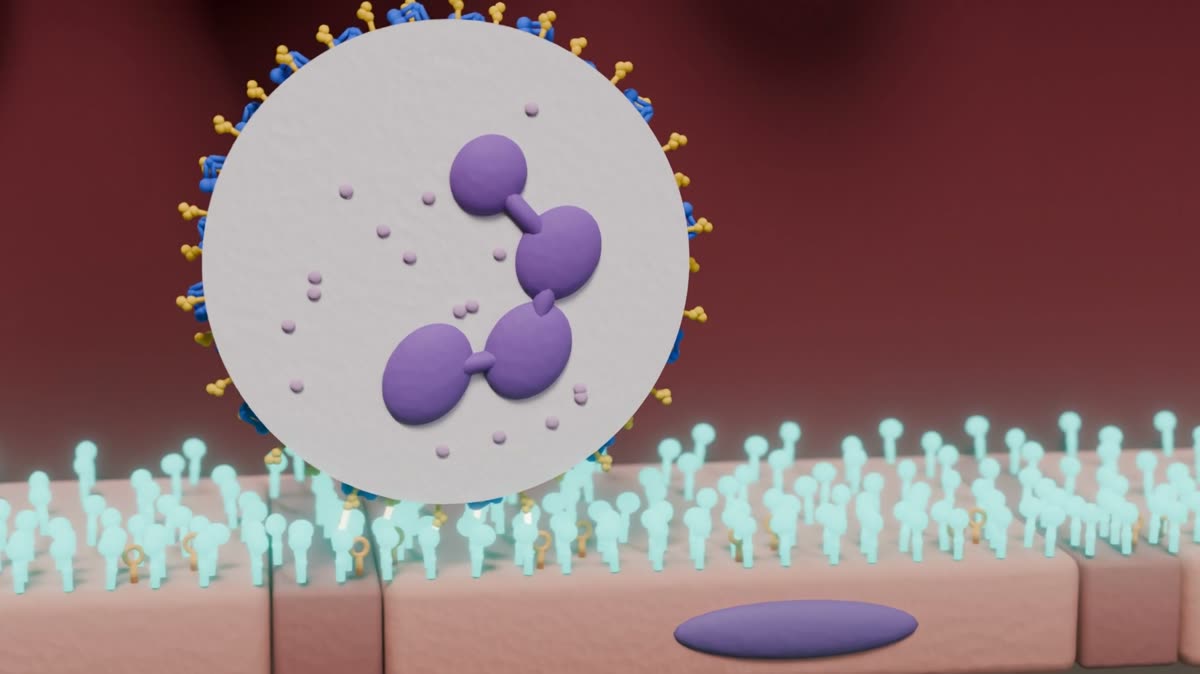
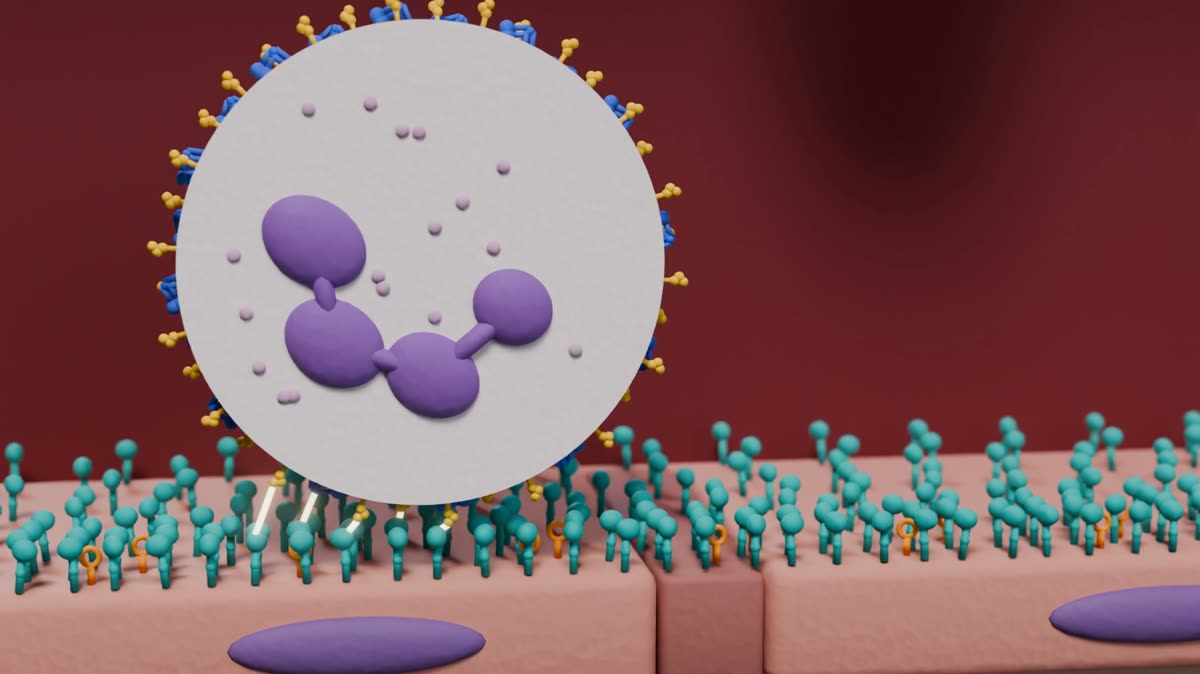
    Animations of what happens inside the vessel, the cell and the tissue. You watch it happen; you don’t just read about it.

  • Your digital book

    The key points of every class are added to your digital book. You can look things up whenever you want, with no note-taking.

  • The slide quizzes you

    Real microscope images. You point to where the thing you just learned is, the way I do when I make a diagnosis.

  • Decide as you would in practice

    In every class you make a decision like the ones made in front of a real patient, and you take apart a mistake that really gets made.

  • Your map

    Every connection you prove lights up. By the end, you see all of pathology joined in a single map.

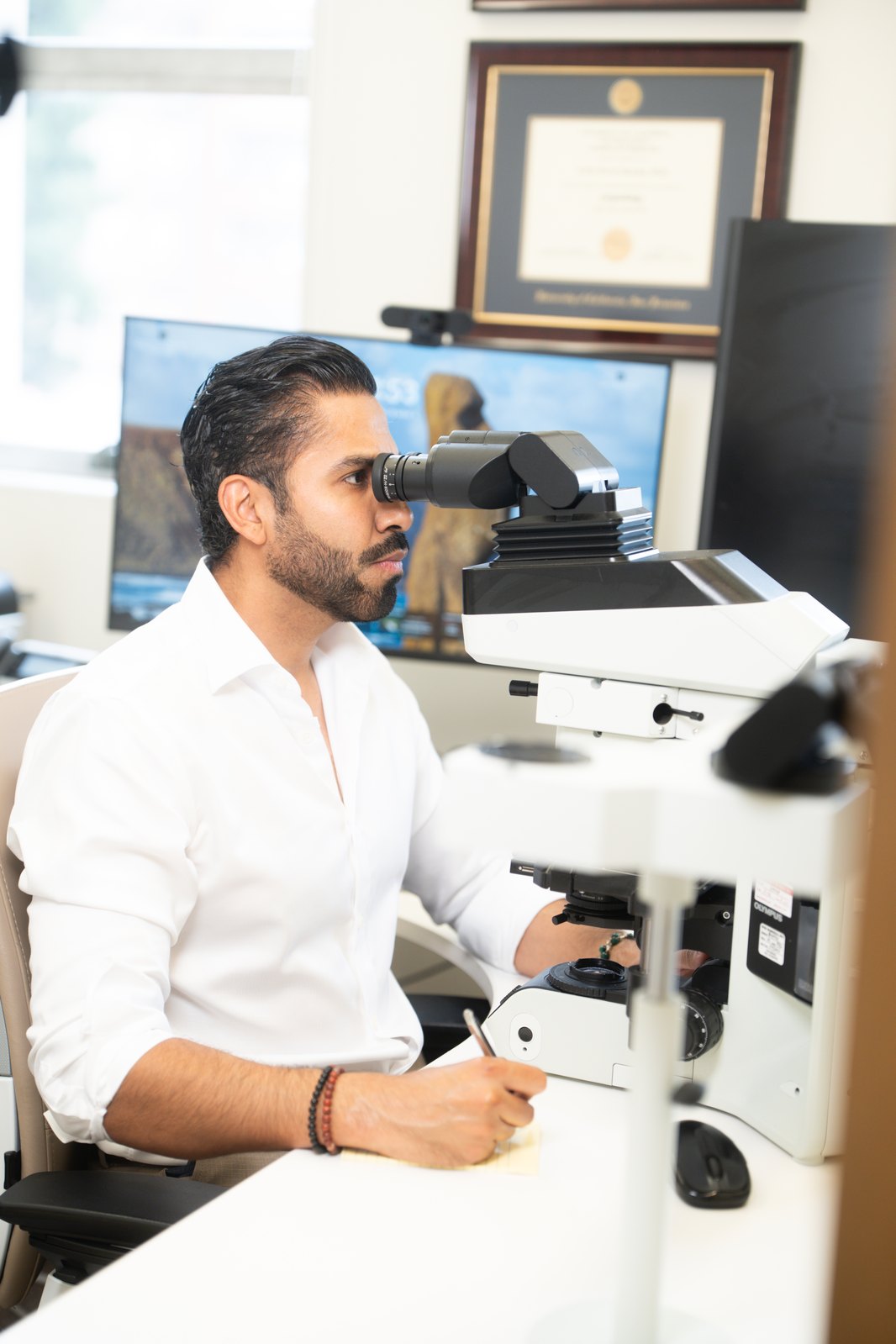
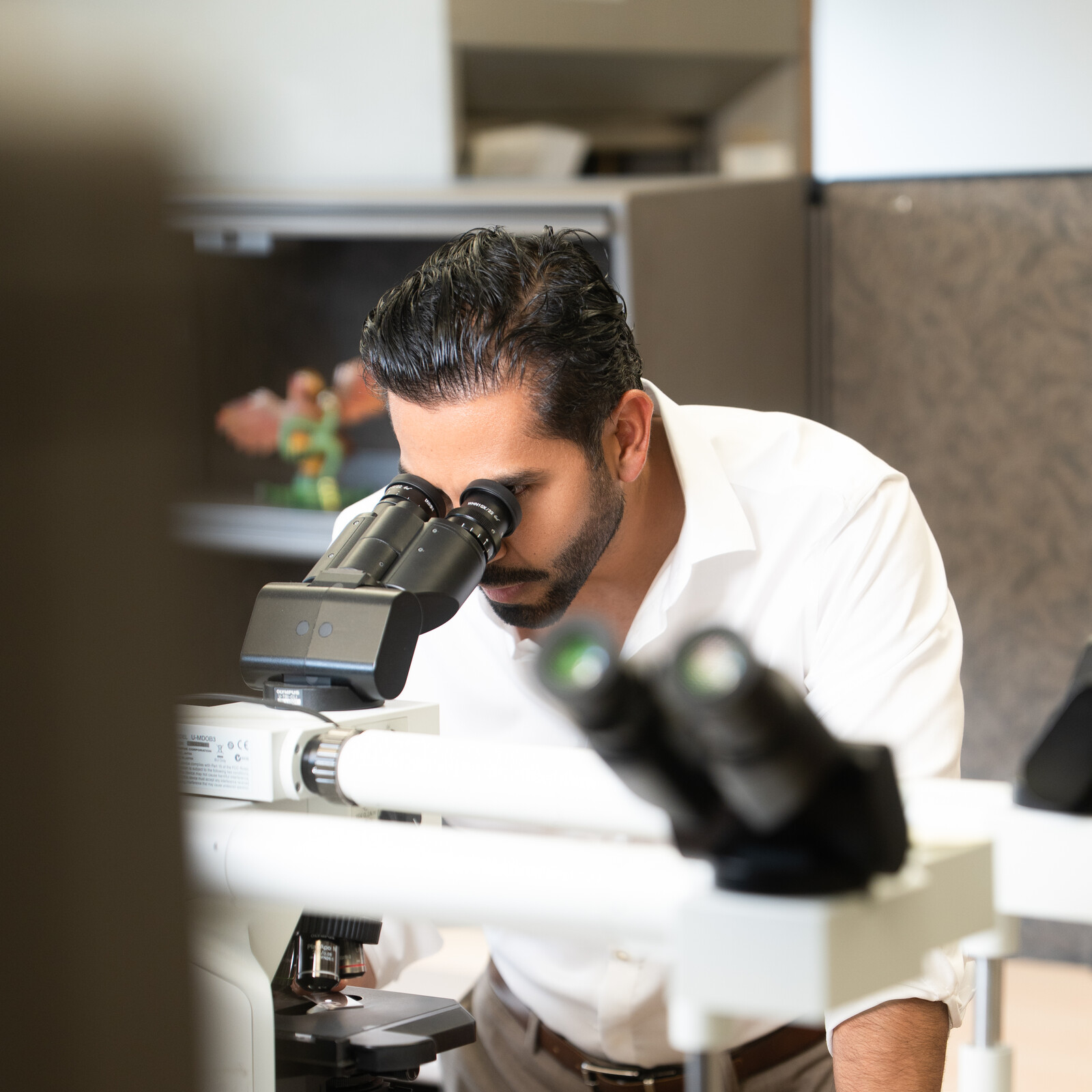
Dr. Carlo De la Sancha next to his microscope.

Who explains it

On the other side of the microscope, there’s me.

  • Anatomic pathology
  • Clinical pathology
  • Cytopathology
  • Dermatopathology

I’m a pathologist, board-certified by the American Board of Pathology in anatomic pathology and clinical pathology, and in two subspecialties: cytopathology and dermatopathology. My job isn’t just looking at cells and tissues: it’s understanding why and how the body gets sick. My whole training was about learning to reason through the mechanisms of disease, from the cell to the patient. Here I teach you pathology the way I reason through it every day.

What people write to me when I explain this.

  • I didn’t like pathology in med school, but you make it really interesting. Thank you for your phenomenal content

  • Oh, doctor, if I’d had a teacher like you in med school, I would have liked histology and pathology.

  • I’m a doctor, and this video makes me proud. I had never heard such a perfect explanation in such a short video. Everything was explained perfectly

  • Excellent explanation, doc. In school they talked to us about preeclampsia, but nobody ever explained what happens at the micro level in the maternal-fetal system so we could plan our nursing interventions.

  • I’m a general practitioner and I work in the maternity ward of my clinic. I hear talks about preeclampsia all the time, and believe me, I had never seen an explanation as simple and easy to understand as the one you just gave. Spectacular

  • Doctor, every time one of your videos comes up, I stay and watch it. I wish I’d had you as a professor in med school. You have an impeccable way of explaining things!

Real comments on my videos, translated from Spanish.

2 parts · 21 modules

Explore the curriculum

Every module leaves you with a mechanism you’ll see again in other diseases.

Part 1

General pathology

For medicine and every other health profession.

8 modules

  1. 1

    Cell injury, cell death and adaptation

    How the cell responds to damage: when it adapts, when it recovers and when it dies.

  2. 2

    Inflammation and repair

    How the body detects an injury, contains it and repairs the tissue, and what happens when each step fails.

    Try a sample
  3. 3

    Hemodynamics, thrombosis and shock

    How fluids and blood move, why a clot forms where it shouldn’t, and what happens when circulation fails.

  4. 4

    Genetics

    How a change in the genes becomes disease, from a single gene to a whole chromosome.

  5. 5

    The immune system

    How the immune system defends us, and what happens when it’s missing, overreacts or attacks the body itself.

  6. 6

    Neoplasia

    What makes a cell grow out of control, how it invades and spreads, and how a tumor is classified.

  7. 7

    Environmental and nutritional diseases

    How what we breathe, eat and take harms the body, and what happens when the diet falls short.

  8. 8

    What exams and guidelines expect

    The topics exams and clinical guidelines ask about most, gathered in one place and explained from their mechanism.

Part 2

Systemic pathology

For medicine.

13 modules

  1. 9

    Hematology

    Diseases of red cells, white cells, platelets and clotting, from their mechanism.

  2. 10

    Cardiovascular

    How the heart and blood vessels get sick: from atheroma and hypertension to the valves and the heart muscle.

  3. 11

    Respiratory

    How the lung gets sick: the airways, the tissue that does the breathing, infections and tumors.

  4. 12

    Gastrointestinal

    From the esophagus to the colon: inflammation, infections, malabsorption and tumors of the digestive tract.

See the other 9 modules
  1. 13

    Liver, pancreas and gallbladder

    How the liver is damaged, how gallstones form and how the pancreas gets sick.

  2. 14

    Kidney and urinary tract

    How the kidney’s filter, its tubules and its vessels are damaged, and how the urinary tract gets sick.

  3. 15

    Gynecologic

    From the cervix to the ovaries: infections, precursor lesions, tumors and the pathology of pregnancy.

  4. 16

    Male genital tract

    How the testis, the prostate and the penis get sick: inflammation, enlargement and tumors.

  5. 17

    Endocrine

    When a gland makes too much or too little hormone: pituitary, thyroid, parathyroid, adrenals and diabetes.

  6. 18

    Breast

    From benign changes to breast cancer, and what the slide tells us to guide treatment.

  7. 19

    Central nervous system

    How the brain and spinal cord get sick: blood vessels, infections, degeneration, demyelination and tumors.

  8. 20

    Musculoskeletal

    How bone, joints, muscle and soft tissue get sick.

  9. 21

    Skin

    How to read a skin lesion from its mechanism: inflammation, blisters, infections and tumors, melanoma included.

Module 2 · Inflammation · Class 1 · Segment 2

Try a sample

How a white blood cell leaves the vessel to reach an infection, and what happens when a single molecule fails.

How a white blood cell leaves the vessel to reach an infection, and what happens when a single molecule fails.

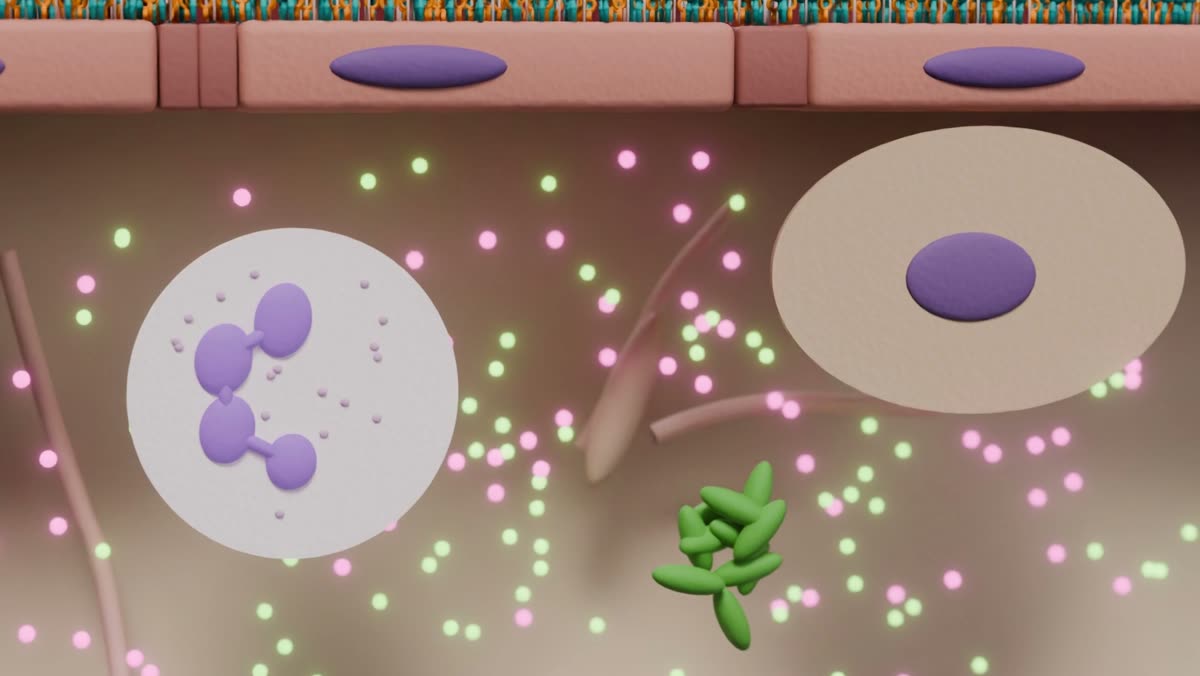
A 4-week-old baby whose umbilical cord still hasn’t fallen off. The baby has a skin infection that doesn’t form pus, and the complete blood count shows 38,000 white blood cells, almost all of them neutrophils.

There are plenty of neutrophils in the blood, but they don’t reach the infection. Which step fails?

Make your bet to see the piece.

Piece 2 of 4 · Firm adhesion

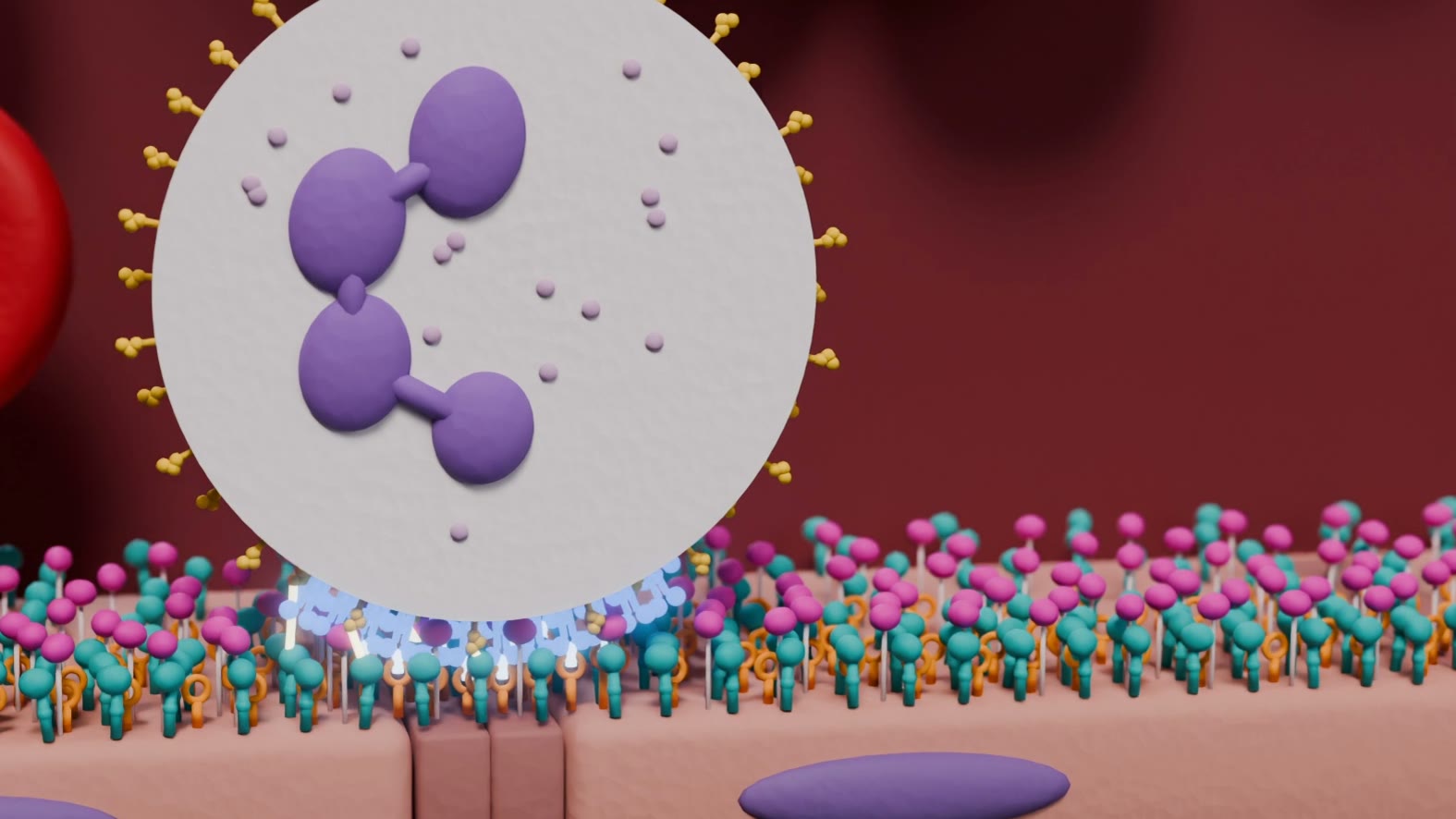
Chemokines from the infection activate the neutrophil’s : they change shape and grab tightly onto ICAM-1 on the endothelium. Without CD18, the neutrophil rolls but never stops. It stays in the blood, which is why there are so many, and it never reaches the tissue, which is why there’s no pus.

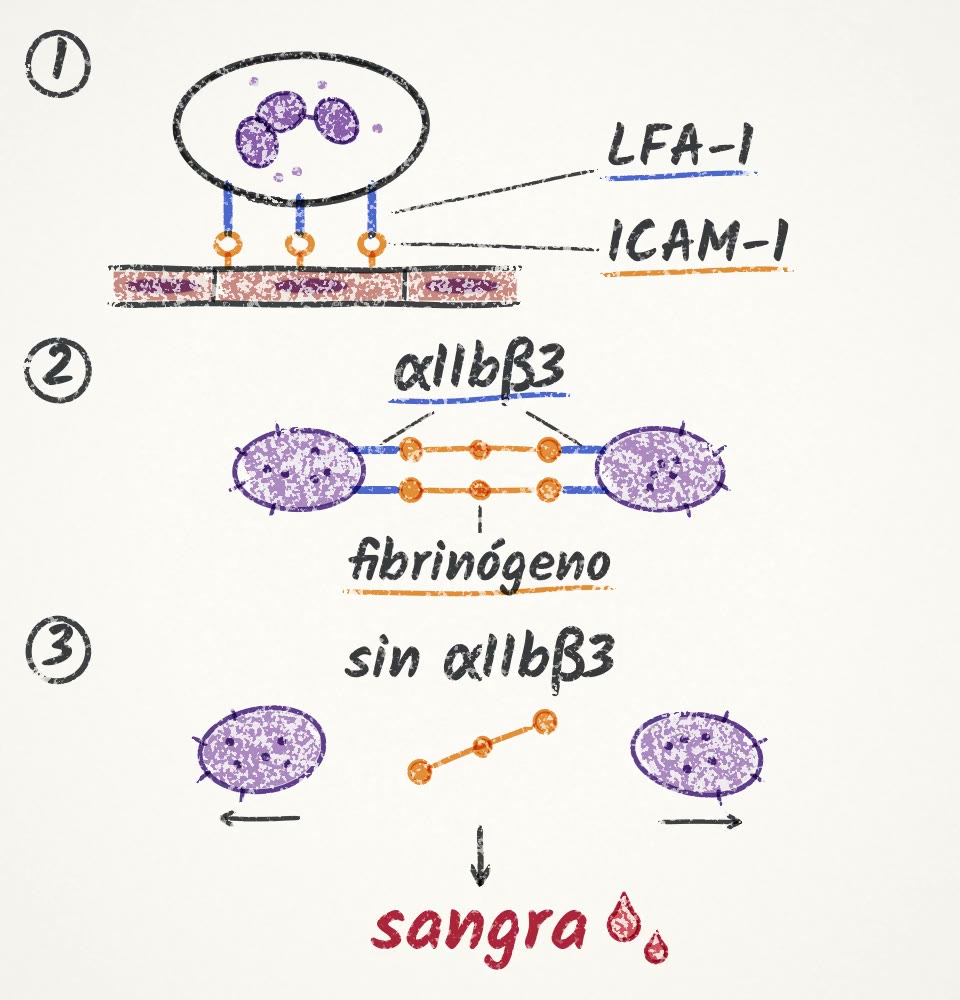
Before you go on, predict: platelets also stick through an integrin. What would happen to a patient who doesn’t have it?

Integrinsone family, many diseases

  1. β2 on the neutrophil

    Leukocyte adhesion deficiency type 1

    infections without pus, and a cord that won’t fall off.

    • Immunology
    • Pediatrics
  2. αIIbβ3 (GPIIb/IIIa) on the platelet

    Glanzmann thrombasthenia

    platelets can’t bind fibrinogen: mucosal bleeding with a normal platelet count.

    • Hematology
  3. αIIbβ3 blocked on purpose

    Abciximab, eptifibatide, tirofiban

    antiplatelet drugs in acute coronary syndrome.

    • Pharmacology
    • Cardiology
  4. α4 on lymphocytes

    Natalizumab

    keeps them from entering the brain in multiple sclerosis; the price is progressive multifocal leukoencephalopathy from JC virus.

    • Neurology
    • Pharmacology
    • Microbiology
  5. α6β4 in the skin

    Junctional epidermolysis bullosa with pyloric atresia
    the skin separates from its basement membrane.

    • Dermatology
    • Genetics

The other pieces, diapedesis and chemotaxis, and all their connections are in the course.

When you finish, you’ll be able to:

  • Explain why each tissue gets sick, starting from its mechanism.
  • Recognize under the microscope the findings that come up most on exams.
  • Answer exam questions knowing where the trap is.
  • Connect pathology with physiology, pharmacology and clinical medicine.

Get on the waitlist

I’m a medical student in my 1st or 2nd year

You’ll get an email to confirm. If you don’t see it, check Promotions and click “Confirm and join the list”: without that click you’re not on the list.

I'll email you when the course for your stage opens and, at most once a month, what's new to study, plus the Understand Your Body newsletter every two weeks. You can unsubscribe with one click.

I’m a medical student in my 3rd year or beyond, clinical rotations included

You’ll get an email to confirm. If you don’t see it, check Promotions and click “Confirm and join the list”: without that click you’re not on the list.

I'll email you when the course for your stage opens and, at most once a month, what's new to study, plus the Understand Your Body newsletter every two weeks. You can unsubscribe with one click.

I’m a resident

You’ll get an email to confirm. If you don’t see it, check Promotions and click “Confirm and join the list”: without that click you’re not on the list.

I'll email you when the pathology course opens and whenever there's something new in it. You can unsubscribe with one click.

I’m a physician

You’ll get an email to confirm. If you don’t see it, check Promotions and click “Confirm and join the list”: without that click you’re not on the list.

I'll email you when the pathology course opens and whenever there's something new in it. You can unsubscribe with one click.

I already study or work in another health field (nursing, dentistry, nutrition, medical laboratory science, physical therapy, pharmacy, veterinary medicine...)

You’ll get an email to confirm. If you don’t see it, check Promotions and click “Confirm and join the list”: without that click you’re not on the list.

I'll email you when the course for your stage opens and, at most once a month, what's new to study, plus the Understand Your Body newsletter every two weeks. You can unsubscribe with one click.

Questions

  • Is it only for medicine?

    No. General pathology is for every health profession. Systemic pathology is for medicine.

  • What are the classes like?

    Videos where you reason through each mechanism step by step. The key points are saved to your digital book, every mechanism connects to the diseases that share it, the slide quizzes you, and at the end you see your map.

  • Will it help me on my exams?

    Yes. Because you reason through each mechanism instead of memorizing it, what you learn sticks, and you can apply it even to questions you’ve never seen. And we don’t stay in theory: the course covers what your classes cover, so it helps you pass your exams.

  • When does it open?

    There’s no date yet. If you join the waitlist, I’ll write to you the day it opens.

Understand disease. Don’t memorize it.

Understand the pathology in your program, from the mechanism up.

Join the waitlist

Know someone who would find this helpful?

Share it with them.